CATEGORY:

All Categories

image description

Multiple Step Gauge (Special Shape)

SK Niigata Seiki

view
x
image description

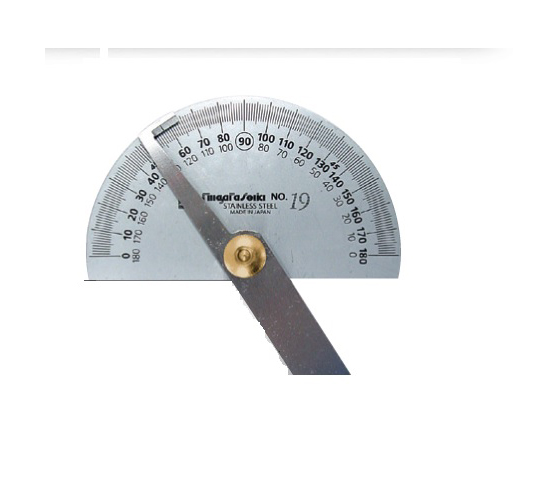
PROTRACTOR

SK Niigata Seiki

view
x

Mastering Every Angle with a Precision Protractor

Accuracy is the foundation of every successful project. Whether you are cutting a crown molding or machining a metal part, you need to know your angles. A precision protractor is the go-to tool for measuring and marking degrees with absolute confidence.

What is a Precision Protractor?

A protractor is a measuring instrument used to determine the exact angle between two intersecting surfaces. While basic plastic versions exist for classrooms, industrial versions use durable stainless steel. These professional tools often feature locking nuts and adjustable arms to hold an angle for repeated marking.

Common Types for Professional Use

Choosing the right tool depends on your specific task:

  • Manual Bevel Protractors: These feature a pivoting arm and a semi-circle head. They are perfect for general shop work.

  • Digital Protractors: These provide a clear LCD readout. They eliminate human error and offer high precision, often down to .

  • Universal Vernier Protractors: These allow for ultra-fine measurements. They use a secondary scale to measure fractions of a degree.

How to Use a Protractor Correctly

To get the best results, press the base of the tool firmly against your reference surface. Extend the swinging blade until it sits flush against the second surface. Tighten the locking screw to "save" the measurement. This technique ensures you can transfer the angle to your workpiece without it shifting.

Why Quality Matters

Cheap tools can flex or lose their calibration. A high-quality precision protractor maintains its edge and provides consistent readings over many years. It reduces material waste by ensuring your first cut is the right one.

From the design phase to final inspection, a reliable protractor is a staple in any serious toolkit. It bridges the gap between a rough estimate and a professional finish.

Length 90 x 1.2mm Scale : 180 x 1 deg. Made in Japan
Buy Now
image description

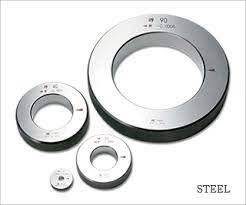
RING GAUGE

SK Niigata Seiki

view
x

Mastering Precision with the Ring Gauge

Consistency is the heartbeat of manufacturing. When you produce thousands of cylindrical parts, you must ensure every piece fits perfectly. Consequently, a ring gauge serves as the ultimate standard for verifying external diameters. By using this tool, you ensure your components meet strict engineering specifications every single time.

What is a Ring Gauge?

To begin with, a ring gauge is a high-precision measurement tool. Manufacturers typically craft them from thermally stable materials, such as hardened steel or chrome. Furthermore, each gauge features a highly finished internal diameter. As a result, machinists use these tools to check the outside diameter (OD) of pins, shafts, fasteners, and studs with total confidence.

The Power of Go and No-Go Testing

Most quality control teams use ring gauges in pairs. This creates a "limit gauge" system, which works as follows:

  1. Go Gauge: First, the part must slide through this gauge smoothly. If it fits, you know the part is not too large.

  2. No-Go Gauge: Next, the part should not enter this gauge. If it stays out, the part is not too small.

Therefore, if your component passes both tests, it falls within the acceptable tolerance range. This method is much faster than using a micrometer, especially during high-volume production.

[Image demonstrating a shaft being inspected with a Go ring gauge]

Essential Maintenance Tips

To maintain the accuracy of your ring gauge, you must treat it as a master reference. For instance, always clean the workpiece before testing. This prevents abrasive dust from scratching the gauge surface. Additionally, apply a thin layer of protective oil after use to stop rust. Finally, you should schedule regular calibration to account for natural wear over time.

Why Quality Matters

Ultimately, using a certified ring gauge eliminates guesswork on the shop floor. It protects your business from costly rejects. Moreover, it ensures your customers receive perfect parts every time. Whether you work in aerospace or automotive repair, this tool is your best defense against dimensional errors.

Sub-zero treatment (Cryogenic hardened) - ALLOY STEEL As master gauge for "0" adjustment of measuring tools such as bore gauge, inside micrometer, dial caliper, etc. Actual Size 0-30mm, Tolerance +/-1.0um Actual Size 30-50mm, Tolerance +/-1.5um Actual Size 50-100mm, Tolerance +/-2.0um Actual Size 100-200mm, Tolerance +/-5.0um Hardness HV 653-772
Buy Now
image description

SOUND LEVEL METER

RION

view
x

Industrial Acoustics: The Technician’s Guide to Sound Level Meters

Monitoring excessive noise levels in industrial environments presents critical challenges for safety managers. Unchecked acoustic exposure risks permanent worker hearing loss and leads to severe regulatory compliance penalties. A portable SOUND LEVEL METER solves this environmental hazard by measuring ambient sound pressure levels accurately across dynamic work zones.

This guide explains how integrating a sound level meter elevates safety standards across your facility.

What Is a SOUND LEVEL METER?

A sound level meter is a high-precision acoustic measuring instrument designed to evaluate noise intensity quantitatively.

Featuring a sensitive condenser microphone, an internal preamplifier, and an acoustic processing unit, this device converts air pressure fluctuations into readable decibel (dB) values. Safety officers use these meters to perform spot-checks and continuous acoustic surveys effortlessly.

Key Operational Advantages

Deploying a professional sound level meter delivers clear technical benefits for industrial operations:

  • Frequency Weighting Networks: Features A and C weighting filters to match human ear response or raw mechanical noise levels.

  • Fast and Slow Response Settings: Toggles time weighting to capture rapid noise peaks or smooth out shifting background sound.

  • Integrated Data Logging: Stores live decibel readings onboard for automated OSHA and ISO safety compliance reporting.

  • Calibrated Acoustic Accuracy: High-precision microphone diaphragms deliver reliable, repeatable measurements across broad frequency ranges.

Common Workplace Applications

Safety officers and plant engineers rely on sound level meters for vital daily monitoring tasks:

  1. Occupational Noise Audits: Map factory floor noise zones to identify required hearing protection areas accurately.

  2. Machinery Health Diagnostics: Detect abnormal motor vibration and bearing wear by tracking unexpected acoustic spikes.

  3. Environmental Site Surveys: Measure construction boundary noise output to satisfy municipal acoustic regulations.

  4. Building Acoustic Testing: Evaluate sound insulation performance inside commercial spaces and HVAC ductwork.

How to Measure Noise in 4 Simple Steps

Follow these basic steps to perform accurate acoustic inspection checks:

  1. Perform Field Calibration: Attach an acoustic calibrator to the microphone to verify decibel accuracy before testing.

  2. Configure Meter Settings: Select target frequency weighting (dBA) and response speed on the display interface.

  3. Position the Instrument: Hold the meter at arm's length facing the noise source at ear height.

  4. Log the Readings: Record the decibel level and store peak exposure values for compliance logging.

Final Thoughts

The SOUND LEVEL METER turns complex acoustic evaluation into fast, reliable inspection routines. By identifying hazardous noise sources early, this essential instrument protects workforce health and maintains strict environmental safety standards.

Sound Level Meter (Class 1) with Low-Frequency sound (from 1 to 20 000 Hz) measurement. large color LCD screen (3-inch) Water-resistant (IP54; except for the microphone) Use of rechargeable batteries (or dry alkaline batteries) Supports long-term measurements (up to about 1 month)
Buy Now
image description

VIBRATION METER - GERNERAL PURPOSE VM-82A

RION

view
x

Predictive Maintenance: VIBRATION METER - GERNERAL PURPOSE VM-82A Guide

Ignoring subtle mechanical vibrations in rotating machinery leads to catastrophic equipment failures and unplanned plant downtime. Manual visual checks cannot detect internal bearing wear or shaft misalignment before severe damage occurs. The VIBRATION METER - GERNERAL PURPOSE VM-82A resolves this maintenance challenge by delivering instant digital readings for acceleration, velocity, and displacement.

This guide explores how integrating a VM-82A vibration meter elevates equipment reliability across your operations.

What Is the VIBRATION METER - GERNERAL PURPOSE VM-82A?

The VM-82A is a portable general-purpose vibration measuring instrument engineered by Rion for industrial plant maintenance.

Featuring an external piezoelectric accelerometer probe, this handheld meter measures operational vibration levels across industrial machinery. Reliability engineers use this compact device to evaluate rotational balance, motor alignment, and bearing health across factory floors effortlessly.

Key Operational Advantages

Upgrading to a VM-82A vibration meter provides clear technical benefits for maintenance teams:

  • Triple-Mode Measurement: Evaluates acceleration, velocity, and displacement across broad frequency spectrums simultaneously.

  • Onboard Data Storage: Saves up to 1,000 measurement points internally for fast trend analysis and maintenance logging.

  • Easy-to-Read Display: Clear digital LCD screen displays live numerical values alongside intuitive bar graph indicators.

  • Long Battery Life: Delivers up to 24 hours of continuous operational field testing on standard alkaline batteries.

Common Industrial Applications

Plant engineers and maintenance technicians rely on the VM-82A meter for vital daily checks:

  1. Electric Motor Diagnostics: Track bearing wear and rotor imbalance on critical production line drive motors.

  2. Pump and Fan Maintenance: Inspect industrial fluid pumps and ventilation blowers for cavitation and shaft misalignment.

  3. Gearbox Health Audits: Monitor high-frequency acceleration signals to detect early gear tooth pitting and fatigue.

  4. Routine Plant Surveys: Conduct scheduled vibration mapping across rotating factory assets to prevent unexpected breakdowns.

How to Test Vibration in 4 Simple Steps

Follow these basic steps to perform accurate machinery vibration checks:

  1. Connect the Sensor: Plug the accelerometer cable firmly into the top input port of the meter body.

  2. Attach Magnet Probe: Secure the magnetic probe tip onto a clean, flat metal surface near the bearing housing.

  3. Select Measuring Mode: Power on the unit and choose velocity or acceleration mode based on your test routine.

  4. Record the Reading: Observe the live LCD value and save the reading onboard for trend analysis logging.

Final Thoughts

The VIBRATION METER - GERNERAL PURPOSE VM-82A converts complex vibration diagnostics into fast, reliable maintenance routines. By identifying mechanical flaws early, this dependable instrument protects production uptime and reduces costly equipment repairs.

Three measurement modes:acceleration, velocity and displacement Internal memory stores up to 1 000 data Designed mainly for maintenance and inspection of industrial machinery, with particular emphasis on rotational machinery. Acceleration, velocity, and displacement
Buy Now
image description

THERMO-HYGROGRAPH SIGMA II

SATO

view
x

Environmental Monitoring: THERMO-HYGROGRAPH SIGMA II Guide

Unnoticed temperature spikes and humidity shifts ruin sensitive raw materials, delicate electronic components, and laboratory samples quickly. Relying on spot-checks leaves critical operational blind spots during unmonitored night shifts and weekends. The THERMO-HYGROGRAPH solves this facility risk by recording ambient temperature and relative humidity continuously onto a rotating drum chart.

This guide explores how integrating a Sigma II thermo-hygrograph elevates environmental quality control.

What Is the THERMO-HYGROGRAPH SIGMA II?

The THERMO-HYGROGRAPH SIGMA II is a precision recording instrument manufactured by Sato Keiryoki for environmental monitoring.

Featuring an accurate quartz clock mechanism, this drum recorder tracks ambient climate fluctuations over 1-day, 7-day, or 32-day periods. Quality managers place this self-contained unit inside cleanrooms, storage vaults, and testing facilities to maintain uninterrupted physical compliance records.

Key Operational Advantages

Upgrading to a Sigma II thermo-hygrograph provides clear technical benefits for quality assurance managers:

  • Dual-Pen Recording System: Uses twin cartridge pens to plot temperature and relative humidity lines simultaneously in contrasting colors.

  • Selectable Recording Speeds: Quartz clock motor supports flexible 1-day, 7-day, or 32-day rotation cycles seamlessly.

  • Human-Hair Bundle Sensor: High-purity human hair sensing element captures delicate relative humidity changes across wide ranges.

  • Transparent Protective Casing: Clear acrylic housing lets technicians view live chart traces instantly without opening the unit.

Common Facility Applications

Facility engineers and quality officers rely on the Sigma II recorder for vital monitoring tasks:

  1. Pharmaceutical Storage: Log temperature and humidity compliance inside medicine warehouses and chemical vaults continuous.

  2. Museum and Archive Preservation: Protect delicate historical documents, artwork, and textiles against moisture damage.

  3. Cleanroom Quality Control: Track atmospheric stability in semiconductor manufacturing and precision assembly zones.

  4. Food Processing Facilities: Audit environmental storage conditions to prevent premature product spoilage.

How to Set Up in 4 Simple Steps

Follow these basic steps to initiate continuous environmental logging:

  1. Mount Chart Paper: Wrap a fresh recording chart paper smoothly around the internal rotating drum.

  2. Wind the Mechanism: Set the quartz clock switch to your target recording duration.

  3. Prime Recording Pens: Remove protective pen caps and align pen tips gently against the chart grid line.

  4. Close Protective Case: Secure the clear cover and place the unit on a level inspection shelf.

Final Thoughts

The THERMO-HYGROGRAPH SIGMA II turns continuous climate tracking into a simple, reliable routine. By generating permanent physical records, this dependable recorder protects valuable assets and maintains strict environmental standards.

Thermohygrograph Quartz type (-15 to 40°C, 0 to 100%RH) Quartz clock: 1 day, 7 day and 32 day changed by speed switch Battery: "C" size battery x 2 Battery Life: 1 year for continuous use
Buy Now
image description

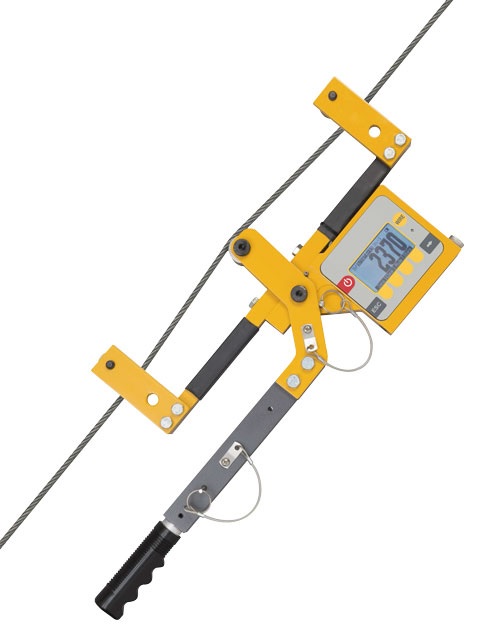
CTM Tension Meter

SCHMIDT

view
x
Tension ranges up to 9 kN and 45 kN Electronic wire rope tension meter to determine the tension of pretensioned, non-moving ropes, cables, wires, overhead lines, etc. up to max. 25.4 mm (1 inch) Ø. This hand-held unit is used for control and comparision measurement of pretensioned, non running ropes. Tension meter with large easy to read LCD display
Buy Now
image description

DTX Tension Meter

SCHMIDT

view
x
Tension Meter DTX 12 Tension ranges available: from 1 - 200 cN up to 0.6 - 60 daN Application: Wire and textile industry Field of use: for fibres up to 60.000 tex or Cu wire Ø 3 mm Feature:
  • Professional unit with additional functions
  • 5 Memory modes with statistics
  • Large internal memory
  • USB interface , Wi-Fi (optional)
Buy Now
image description

DX2-EDM Tension Meter

SCHMIDT

view
x

Wire EDM Precision: DX2-EDM Tension Meter Guide

Incorrect wire tension on Electrical Discharge Machining (EDM) equipment causes wire breakage, poor surface finishes, and inaccurate cut geometries. Relying on guesswork during wire threading leads to costly machine downtime and scrapped workpieces. The Tension Meter resolves this machining challenge by providing precise tension readings for EDM brass wire setups.

This guide explores how integrating a DX2-EDM tension meter elevates cutting accuracy across toolroom operations.

What Is the DX2-EDM Tension Meter?

The Tension Meter is a mechanical tension gauge manufactured by Hans Schmidt specifically for wire EDM applications.

Featuring specialized guide rollers with deep V-grooves, this instrument clips onto running or stationary EDM wire effortlessly. Machinists use this compact meter to calibrate wire transport systems, ensuring stable spark gaps and uniform discharge cutting performance.

Key Operational Advantages

Upgrading to a DX2-EDM tension meter provides clear technical benefits for EDM operators:

  • EDM-Specific Roller Design: Deep-grooved ball-bearing rollers hold EDM brass wire securely during fast measurement checks.

  • Built-In Wire Guide Attachment: Front alignment guide allows effortless single-handed attachment onto tight wire paths.

  • Shock-Protected Movement: Mechanical dial mechanism absorbs shop floor impacts while maintaining high measuring accuracy.

  • Battery-Free Operation: Purely mechanical drive delivers reliable, continuous performance without needing electrical power.

Common Workshop Applications

Toolmakers and EDM specialists rely on the DX2-EDM tension meter for vital daily checks:

  1. EDM Wire Setup Calibration: Verify wire spool tension settings before starting long precision cutting jobs.

  2. Preventive Machine Maintenance: Inspect drive belts and wire transport rollers for tension loss across shifts.

  3. Wire Breakage Troubleshooting: Diagnose sudden wire snapping by identifying inconsistent tension spikes along the wire path.

  4. Tooling Die Manufacturing: Ensure uniform wire tension for cutting intricate press dies and punch inserts accurately.

How to Measure Tension in 4 Easy Steps

Follow these simple steps to perform accurate EDM wire tension checks:

  1. Verify Dial Zero: Hold the meter vertically and confirm the pointer rests cleanly on the zero mark.

  2. Open Roller Guide: Press the thumb lever downward to extend the outer guide rollers.

  3. Engage the Wire: Position the EDM wire between the rollers and release the thumb lever smoothly.

  4. Read the Tension: Observe the pointer value on the analog scale and adjust your EDM spool tension.

Final Thoughts

The DX2-EDM Tension Meter converts tricky EDM wire checks into quick, repeatable routines. By maintaining exact wire tension, this specialized metrology tool prevents wire breaks and guarantees flawless surface finishes.

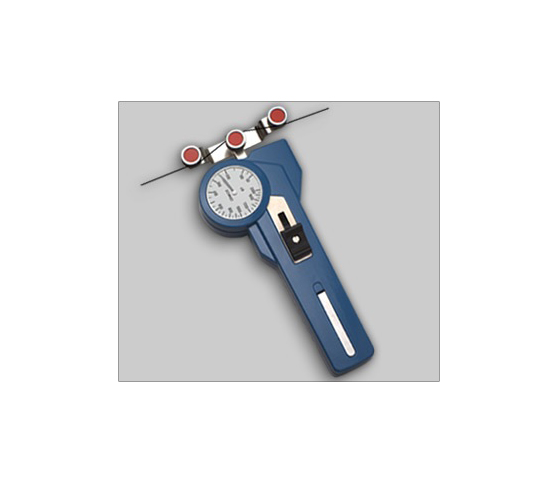
3 Tension ranges from 50 - 2000 cN to 200 - 4000 cN Mechanical tension meter for all current wire EDM machines with wire diameter approx. 0.25 mm Most popular tension meter for wire EDM machines worldwide For ideal wire tension to increase the accuracy of produced workparts and to optimize the machine delay
Buy Now
image description

DXF Tension Meter

SCHMIDT

view
x

Perfect Tension Every Time: The DXF Tension Meter Advantage

In industries like textile manufacturing and wire production, precision is everything. A slight variation in line tension can ruin an entire batch of product. The DXF Tension Meter provides the accuracy you need to maintain high-speed production without the risk of breakage or defects.

Why Precision Tension Matters

Consistent tension ensures material integrity. If the tension is too high, wires stretch or snap. If it is too low, the winding becomes loose and uneven. The DXF series offers a reliable way to monitor these forces in real-time. It helps you maintain the "sweet spot" for every material you process.

Top Features of the DXF Tension Meter

  • Easy Handling: The slim design and specialized rollers allow for effortless one-handed operation.

  • High Sensitivity: Detect even the smallest fluctuations in tension instantly.

  • Automatic Leveling: The device compensates for its own weight to provide a true zero reading.

  • Durability: Built with industrial-grade materials, it withstands the rigors of a busy factory floor.

Streamline Your Quality Control

Using a DXF Tension Meter simplifies the inspection process. Its clear analog or digital interface allows operators to make quick adjustments on the fly. This speed reduces downtime and prevents costly material waste. Whether you work with thin fibers or high-strength cables, this tool adapts to your specific requirements.

The Bottom Line

Don't leave your product quality to chance. By choosing the DXF series, you invest in a tool that guarantees uniformity and professional results. Elevate your manufacturing standards today with the industry's most trusted tension measurement solution.

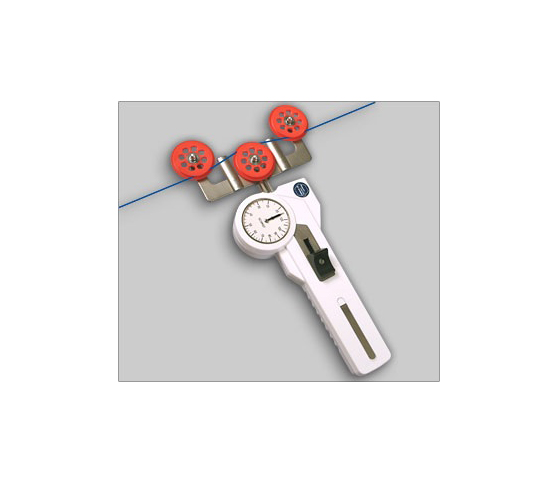
Tension ranges from 20 - 120 cN to 50 - 1000 cN Mechanical tension meter with large guide rollers (32 mm groove diameter) and large center distance to minimize bending of materials Hand-held unit for sensitive material as optical fibres, carbon fibres, technical fibres etc. Tension meter with special guides on the bracket assembly for easy thread
Buy Now
image description

Tension Meter DTXB

SCHMIDT

view
x

Industrial Control: The Tension Meter DTXB Precision Guide

Incorrect material tension causes costly product defects, frequent thread breakages, and winding errors during high-speed manufacturing. Guessing wire or fiber tautness manually leads to uneven spooling and unexpected process downtime. The Tension Meter resolves this production bottleneck by delivering real-time digital tension values for dynamic processing lines.

This guide explores how integrating a DTXB tension meter elevates quality assurance across processing facilities.

What Is the Tension Meter DTXB?

The Tension Meter DTXB is a high-precision digital measuring instrument designed for monitoring dynamic line tension.

Featuring a three-roller guide assembly, this electronic meter measures tension on moving or stationary filaments. Machine operators use this versatile device across textile, wire drawing, and fiber optic production lines to maintain optimal process limits effortlessly.

Key Operational Advantages

Upgrading to a DTXB tension meter provides clear technical benefits for quality control teams:

  • High-Speed Digital Sampling: Captures rapid tension fluctuations accurately to prevent sudden strand snapping.

  • Ergonomic Handheld Design: Allows operators to perform quick spot-checks along active production lines easily.

  • Grooved Guide Rollers: Smooth ball-bearing rollers guide delicate filaments without causing surface abrasion or snagging.

  • Clear LCD Screen: Displays live tension values, peak readings, and battery status simultaneously for fast evaluation.

Common Workshop Applications

Process engineers and technicians rely on the DTXB tension meter for vital daily checks:

  1. Wire Drawing Operations: Monitor fine metal wire tension during high-speed spooling and twisting processes.

  2. Textile Thread Processing: Verify yarn and thread tautness on industrial knitting and weaving machinery.

  3. Fiber Optic Cable Production: Ensure delicate glass fibers maintain safe tension limits during jacket extrusion.

  4. Coil Winding Quality Control: Audit copper wire tension during transformer and electric motor coil winding.

How to Measure Tension in 4 Simple Steps

Follow these basic steps to perform accurate tension checks:

  1. Select Filament Profile: Turn on the meter and select your preset material calibration profile.

  2. Engage the Rollers: Slide the outer guide rollers onto your moving process line strand smoothly.

  3. Align Center Roller: Release the catch lever to press the central sensing roller against the material.

  4. Record the Reading: Observe the live digital display value and log peak tension measurements.

Final Thoughts

The Tension Meter turns delicate tension checks into fast, repeatable monitoring routines. By maintaining exact material tension, this reliable instrument protects product quality and reduces costly manufacturing downtime.

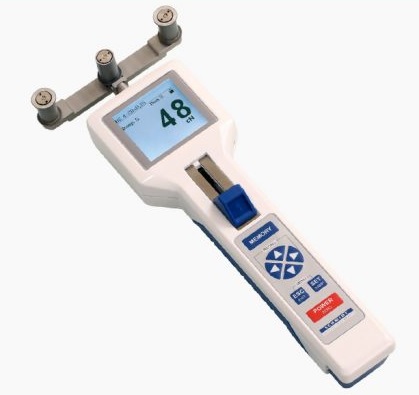
Tension Meter DTXB 10 Tension ranges available: from 5.0 - 500 cN up to 2.5 - 50 daN Application: Ribbons, filaments, carbon strands, foils and similar flat materials Field of use Max. width of material 41 mm Feature:
  • Cylindrical tape rollers
  • Professional unit with additional functions
  • 5 Memory modes with statistics
  • Large internal memory
  • USB interface , Wi-Fi (optional)
Buy Now
image description

ZD2 Tension Meter

SCHMIDT

view
x
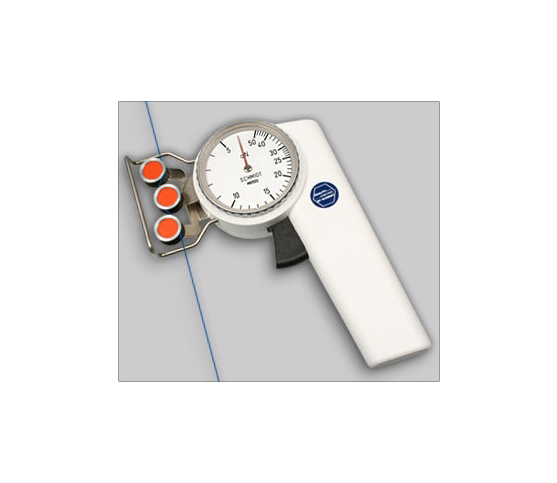
6 Tension ranges from 3 - 30 cN to 20 - 300 cN Economical mechanical tension meter for checking fibres, threads and fine wires with low tensions up to max. 300 cN Universal measuring unit with large guide rollers groove Ø 12.5 mm Tension Meter for a variety of applications in the textile and wire industrie
Buy Now