Brand:

SPI

Filter results by:
image description

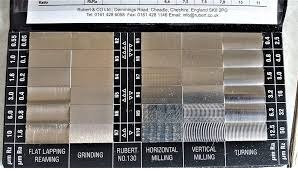
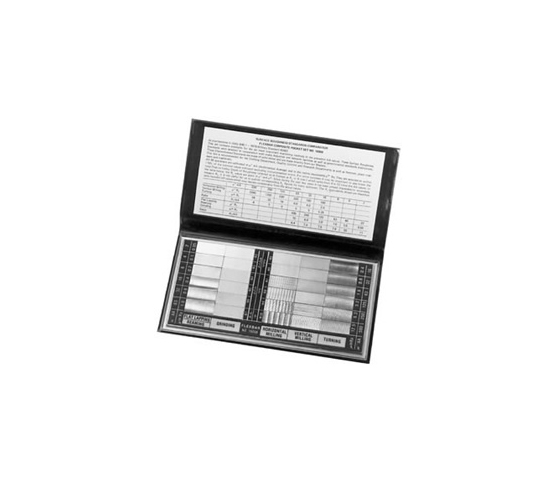
SURFACE ROUGHNESS COMPARATOR

SPI

view
x

Mastering Quality Control: The Surface Roughness Comparator

In precision manufacturing, "smooth enough" is rarely sufficient. Achieving the correct finish is vital for part functionality and longevity. This is where the surface roughness comparator becomes an essential tool on the shop floor.

What is a Surface Roughness Comparator?

A surface roughness comparator is a reference standard used to estimate the texture of a machined surface. It consists of a plate featuring several segments. Each segment represents a specific roughness value, typically measured in $Ra$ (Arithmetical Average) or $Rz$ (Mean Roughness Depth).

How to Use It Effectively

Using a comparator is straightforward yet highly effective. It relies on two primary methods:

  1. Visual Inspection: You place the comparator next to your workpiece under good lighting. By comparing the light reflection and pattern, you can estimate the finish.

  2. Tactile Comparison: This is often more accurate. You run a fingernail across the workpiece and then across the comparator segments. If the "feel" matches, the roughness is likely within that specific range.

Why Your Shop Needs One

While digital profilometers provide exact data, they are expensive and delicate. Comparators offer a cost-effective alternative for quick checks. They help operators monitor tool wear and ensure parts meet engineering specifications before moving to the next production stage.

Using these tools reduces scrap rates. It also ensures consistency across different batches. Whether you are milling, turning, or grinding, a comparator provides a reliable baseline for quality.

Conclusion

A surface roughness comparator is a small investment that yields significant results. It bridges the gap between raw machining and precision engineering. By integrating these into your workflow, you maintain high standards and keep customers satisfied.

The scale conforms to it specifications for visual and tactile inspection only Flat lapping, reaming, grinding, horizontal milling & vertical milling Ra 2 to 500 µm surface finish, nickel plating SPI
Buy Now
image description

PEE DEE THREAD MEASURING WIRE

SPI

view
x
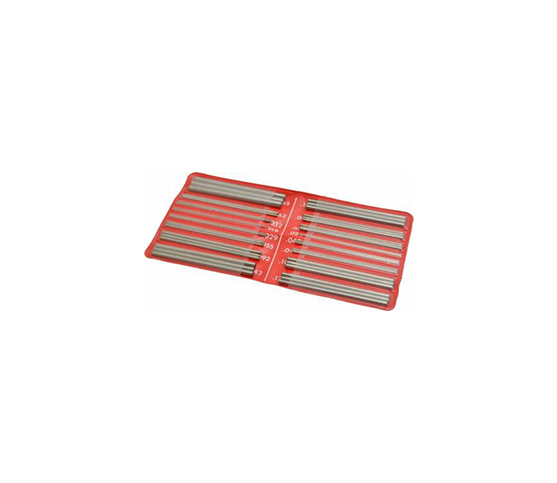
Accurate Pitch Diameter: Pee Dee Thread Measuring Wire Pee Dee thread measuring wire set with conversion charts, AI generated

Measuring screw threads accurately presents tough challenges on the machine shop floor. Outer diameter readings fail to guarantee proper thread fit. A Pee Dee thread measuring wire set provides a simple, accurate method to calculate true pitch diameter using standard micrometers.

This guide explores how Pee Dee wires work and why every machinist needs them.

What Are Pee Dee Thread Measuring Wires?

Pee Dee wires are precision-ground steel pins manufactured to exact tolerances. Technicians place these calibrated wires into thread grooves to perform three-wire thread inspections.

By combining calibrated wires with a standard outside micrometer, machinists calculate pitch diameter directly without expensive, specialized thread micrometers.

Key Advantages for Machinists

Using Pee Dee measuring wires delivers several practical operational benefits:

  • High Accuracy: Precision-ground steel wires guarantee reliable, repeatable pitch measurements.

  • Cost-Effective Metrology: Eliminates the need to buy multiple costly thread micrometers for different pitches.

  • Universal Application: Measures standard 60-degree threads, including Unified (UNC/UNF) and metric profiles.

  • Convenient Reference Charts: Sets include clear reference tables to streamline math calculations instantly.

Primary Shop Floor Applications

Quality inspectors and manual machinists rely on thread wires for critical tasks:

  1. Lathe Threading Operations: Verify pitch diameter during active thread cutting cycles.

  2. Quality Control Inspection: Check incoming threaded fasteners for tolerance compliance.

  3. Toolroom Maintenance: Inspect custom taps, threaded arbors, and precision lead screws.

  4. Educational Training: Teach apprentice machinists fundamental three-wire measurement principles.

How to Measure Threads in 4 Easy Steps

Follow these simple steps to calculate pitch diameter accurately:

  1. Select Correct Wires: Choose the wire size designated for your target thread pitch.

  2. Position the Wires: Place two wires in adjacent grooves on one side and one wire opposite.

  3. Take Micrometer Reading: Measure the distance over the three wires using an outside micrometer.

  4. Calculate Pitch Diameter: Subtract the chart constant from your micrometer reading to find the final pitch diameter.

Final Thoughts

Pee Dee thread measuring wire sets convert standard micrometers into versatile thread inspection tools. By simplifying pitch checks, these precision wires prevent thread binding and eliminate costly machining rework. Invest in a complete wire set to enhance your shop's metrology capabilities today.

  3 wires measure pitch diameter of thread plug 0.5 - 6mm / 48 -3 TPI Pitch Diameter
Buy Now