Brand:

TECLOCK

Filter results by:
image description

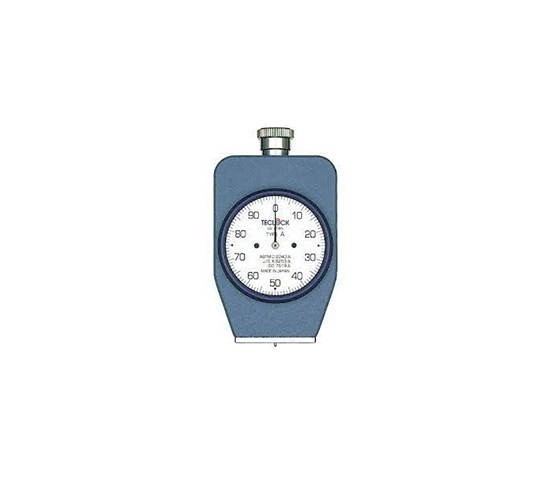
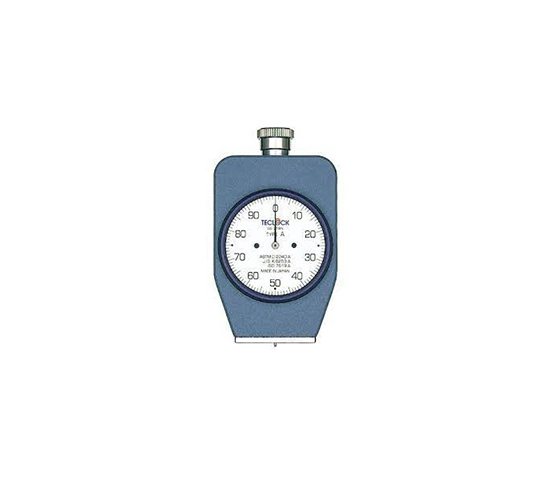
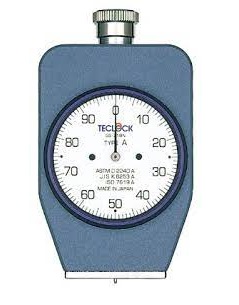
Durometer Type A - GS-719 JIS K 6253 Standrad

TECLOCK

view
x
image description

Durometer Hardness Tester Shore A

TECLOCK

view
x

Measuring Precision: The Durometer Hardness Tester Shore A

Accuracy defines success in rubber and plastic manufacturing. To ensure material consistency, engineers rely on the Durometer Hardness Tester Shore A. This essential device measures the indentation hardness of soft elastomers and flexible materials.

What is Shore A Hardness?

The Shore A scale specifically targets softer materials. This includes items like rubber bands, automotive seals, and flexible PVC. The tester uses a hardened steel rod with a truncated cone point. When you press the device against a surface, it measures how deep the point penetrates.

Why Accuracy Matters

Material hardness impacts how a product performs under pressure. If a gasket is too hard, it will not seal correctly. If it is too soft, it might deform or tear. Using a Durometer Hardness Tester Shore A allows quality control teams to verify that raw materials meet exact specifications.

How to Get the Best Results

Follow these steps for a reliable reading:

  • Flat Surfaces: Ensure your sample is flat and at least 6mm thick.

  • Consistent Pressure: Apply the durometer firmly and quickly without shock.

  • Multiple Tests: Take at least five measurements at different points.

  • Temperature Control: Perform tests at standard room temperature for stability.

Choosing the Right Tool

Most modern testers feature digital displays for easy reading. These models often include a "peak hold" function. This feature captures the highest hardness value automatically. Whether you choose an analog or digital version, regular calibration is necessary to maintain precision.

By integrating Shore A testing into your workflow, you eliminate guesswork. You protect your reputation and ensure every component performs as designed.

Compliance with JIS K 6301 standard was established in 1950 and had sustained base of rubber industry of our country but was discontinued in 1998 because it did not comply with ISO and also JIS K 6253 was prescribed on its behalf. However, It had been used for 60 years as “Rubber hardness tester” and even now it is used as test data between certain parties in charge with mutual consensus although movement to new JIS has progressed
Buy Now
image description

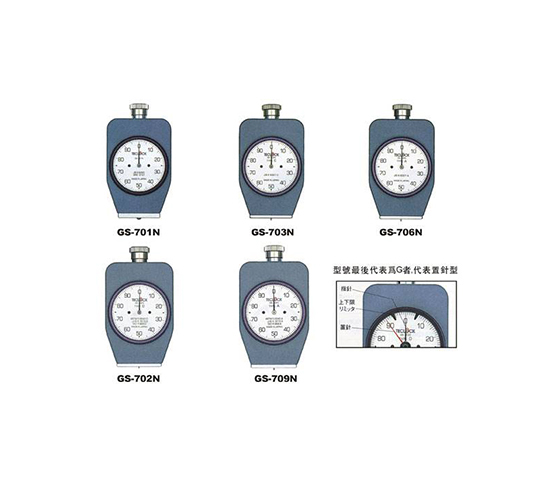
Shore-A GS-709 - Rubber Hardness Tester

TECLOCK

view
x
Compliance with JIS K 7215, ISO 868 & ASTM D 2240 standard. This standard is prescribed by plastic industry in Japan apart from testing method of hardness of rubber. This is basically equal to Durometer of JIS K 6253, as only its round up method of spring load value etc. is different. But we distinguish model name as another Durometer according to the view of conformity to standard.
Buy Now
image description

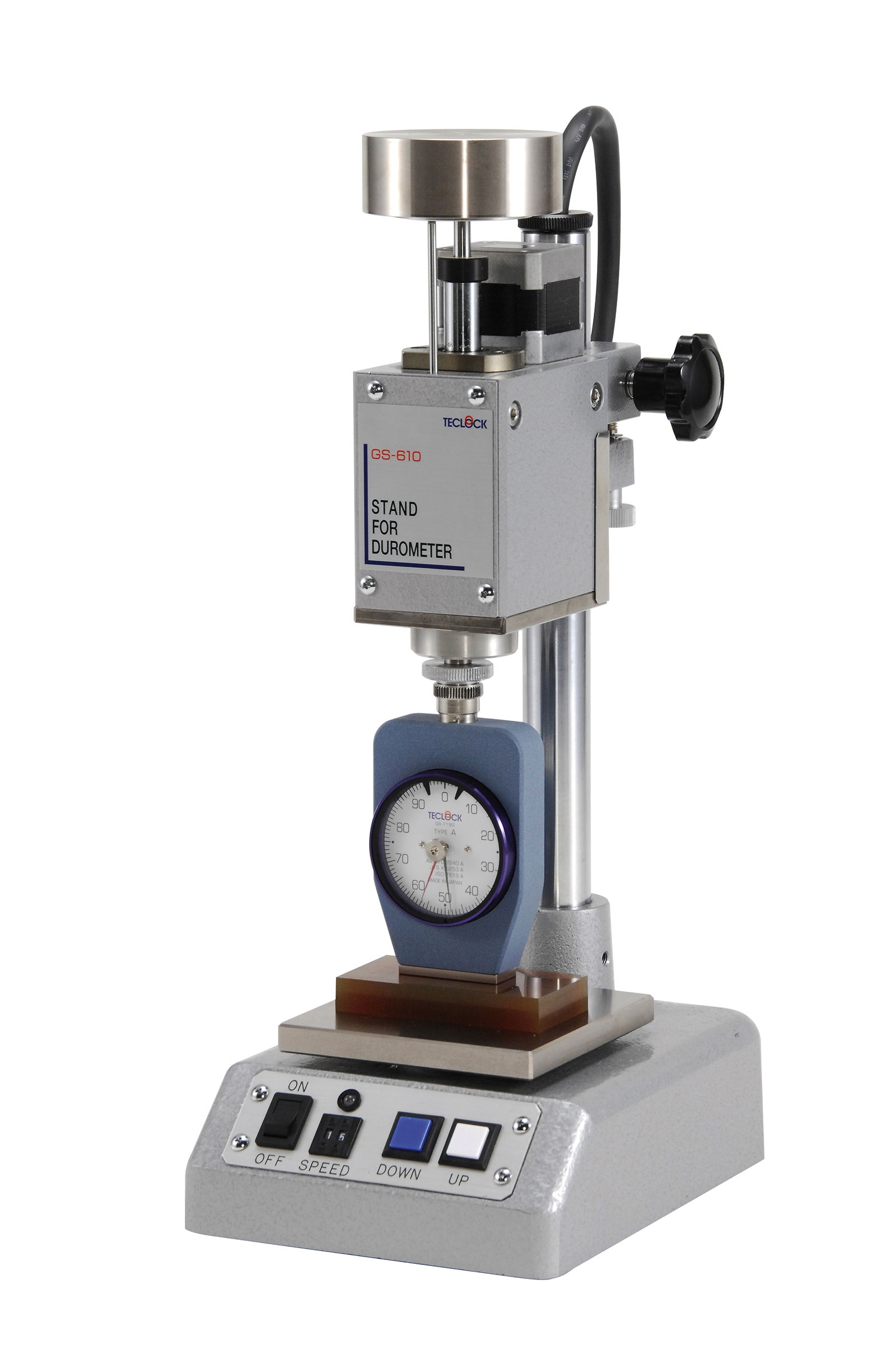
AUTOMATIC MOTORISED STAND GS-610

TECLOCK

view
x
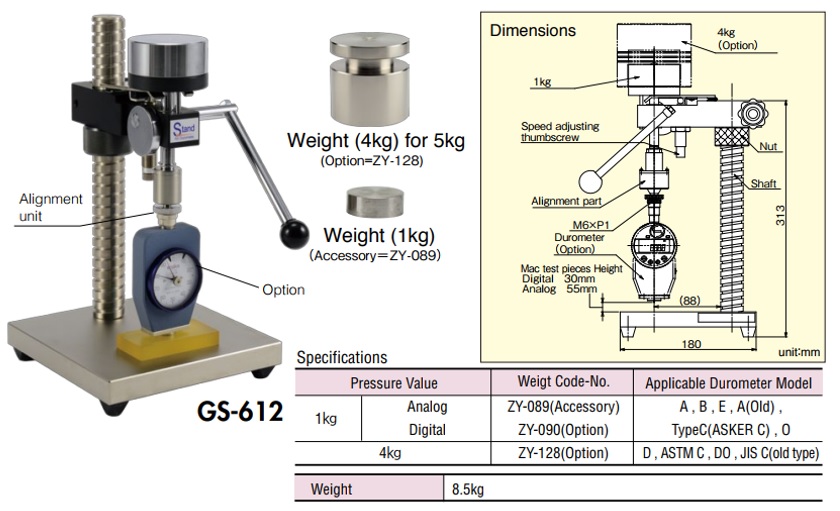
  • By simply operating switches, durometer measurements can be taken with the exact load and speed stipulated in the standards
  • The use of a stepping motor when measuring rubber hardness allows for stable measurement results, greatly eliminating the data disparities common with the hand-push method. Teclock
  • The stand is equipped with an alignment unit to realize very good cohesion between the durometer indenter and test material
  • 1kg measurements can be made using Type A and Type E durometers without any special modifications. The optional ZY-046 weight is required when taking measurements using Type D durometers. Likewise, the ZY-090 1kg weight is required when making measurements using GSD series of digital durometers
Buy Now
image description

DUROMETER

TECLOCK

view
x

Mastering Material Hardness with a Professional Durometer

Accuracy is the foundation of quality control in the rubber and plastics industry. Therefore, a high-quality Durometer serves as an essential tool for every technician. This device measures the indentation hardness of various materials, from soft elastomers to hard polymers. By providing instant, repeatable results, it ensures your products meet exact engineering specifications.

How Does a Durometer Work?

A durometer functions by applying pressure to a material through a calibrated spring and a specialized indenter. Specifically, the depth of the indentation determines the hardness value on the Shore scale. Higher numbers represent harder materials, while lower numbers indicate softer, more flexible substances. Furthermore, this non-destructive testing method allows you to verify quality without damaging your final product.

Choosing the Right Shore Scale

The most common scales include Shore A and Shore D. Indeed, selecting the correct scale is vital for accurate data collection.

Scale Type Ideal Applications
Shore A Soft rubber, elastomers, and flexible PVC.
Shore D Hard plastics, epoxies, and rigid polymers.
Shore OO Extremely soft gels and open-cell foam.
To measuring hardness by pushing by hand, durometer to work piece form the top and read value by making pressed surface adhere to durometer. Determine by Shore A, B ,C , D, 00, 0 etc. With & without maximum pointer

Key Benefits for Your Workflow

Moreover, modern digital durometers offer advanced features like data memory and peak-hold functions. By using these, you can capture the maximum hardness reading instantly. Additionally, the ergonomic design allows for comfortable use during long inspection shifts. These tools help you maintain ISO standards and prevent the use of sub-par raw materials.

Boost Your Quality Assurance

In conclusion, don't leave your material properties to guesswork. A reliable Durometer provides the scientific certainty your customers demand. Ultimately, it is a small investment that prevents costly production errors. Upgrade your testing lab today with the industry's most trusted hardness testers.
Buy Now
image description

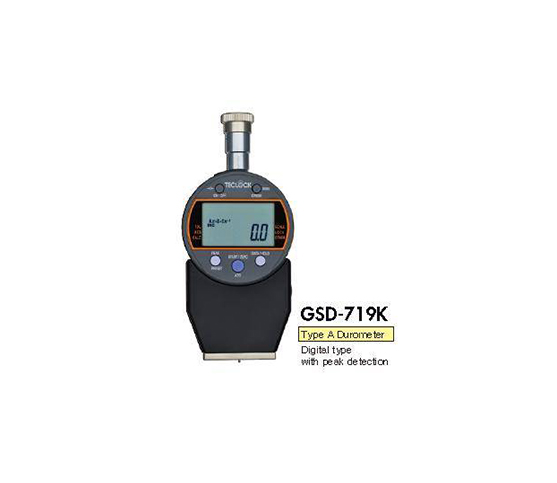
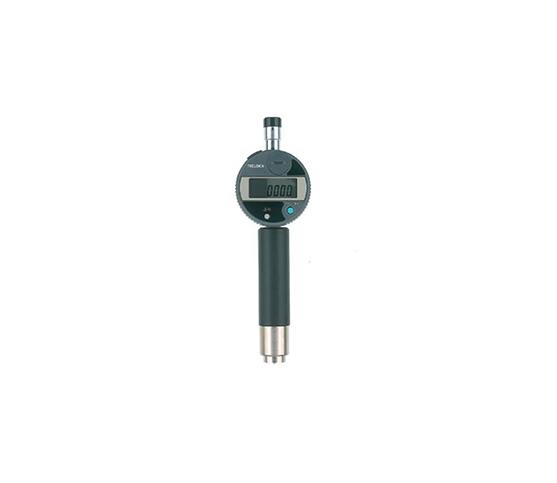
DIGITAL DUROMETER

TECLOCK

view
x

Upgrade to Precision with a Digital Durometer

Manual testing often leaves too much room for human error. Therefore, switching to a Digital Durometer is the smartest move for modern quality control. These devices provide clear, numerical readings that eliminate the guesswork of analog dials. Whether you test soft rubber or rigid plastics, a digital interface ensures every measurement remains consistent and reliable.

The Digital Advantage in Testing

Why do professionals prefer digital models over traditional ones? Specifically, digital durometers offer superior resolution and data stability. Most models feature a large LCD screen that displays the hardness value instantly. Furthermore, many versions include a peak-hold function. This captures the highest reading during the test, which is critical for materials that "relax" under pressure.

Essential Features of Digital Models

Modern digital testers provide more than just a number. Indeed, they offer a suite of tools that improve your daily workflow.

Feature User Benefit
Backlit LCD Read data clearly in any lighting condition.
Data Output Export readings to a PC for professional reports.
High Accuracy Achieve tolerances of point or better.
Peak Hold Capture maximum hardness with one press.
This is the model for which peak hold function is mounted This is effective to measure hardness of Elastomer of which maximum value is unreadable due to relaxation phenomenon. Determine by Shore A, B ,C , D, 00, 0 etc.

Streamline Your Documentation

Moreover, these tools help you comply with international standards like ASTM D2240. Many digital units store multiple readings in their internal memory. By doing so, you can calculate averages without using a separate calculator. Additionally, the rugged construction protects the sensitive electronic sensors from industrial dust and impacts.

Invest in Professional Accuracy

In conclusion, don't settle for approximate values in your lab. A Digital Durometer provides the scientific precision that modern manufacturing demands. Ultimately, it speeds up your inspection process and boosts customer confidence. Upgrade your testing equipment today to experience the future of hardness measurement.

Buy Now
image description

DIGITAL DUROMETER

TECLOCK

view
x
image description

DUROMETER HYDRALIC STAND

TECLOCK

view
x
image description

DUROMETER MANUAL STAND GS-615

TECLOCK

view
x
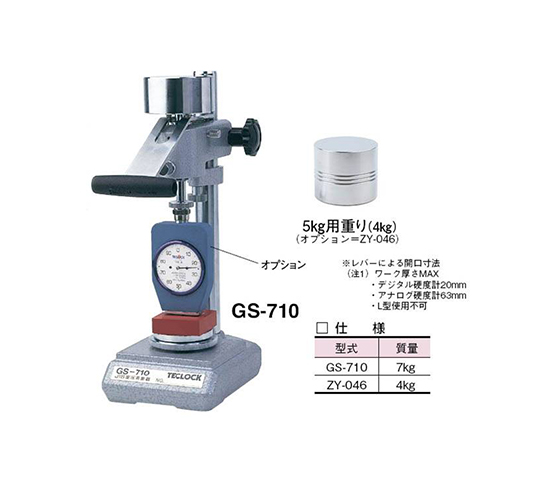
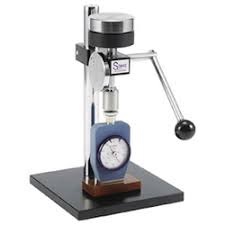
This supplementary device assists hardness measurements by using hydraulics to provided a constant load. Measurements can be taken with a roughly 1kg load for type A Durometer and a roughly 5kg (using optional 4kg weight (ZY-046) load for type D Durometers. Teclock made in Japan
Buy Now