CATEGORY:

Material Hardness

Filter results by:
image description

Portable Hardness Tester HH-V400

MITUTOYO

view
x

Master On-Site Metal Hardness Testing with the HH-V400

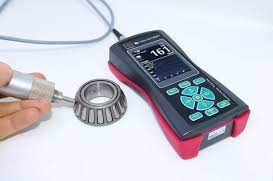
Precision testing no longer requires a massive laboratory setup. The Portable Hardness Tester HH-V400 brings professional-grade accuracy directly to your job site. This compact tool allows engineers to test large components that are impossible to move.

Precision Engineering in Your Pocket

The HH-V400 uses advanced Leeb hardness technology to deliver instant results. It measures a wide variety of materials, including steel, cast aluminum, and brass. The device automatically converts readings into Rockwell, Brinell, and Vickers scales. This flexibility makes it a favorite for quality inspectors and maintenance crews alike.

Top Features of the HH-V400

  • Intuitive Interface: The clear digital display shows mean values and statistics instantly.

  • Internal Memory: Users can store hundreds of data groups for later analysis and reporting.

  • Multiple Impact Devices: The system supports various probes to handle different surface geometries.

  • High Portability: Its lightweight frame fits easily into a toolkit for field inspections.

Why Speed and Accuracy Matter

In the world of manufacturing, a single weak component can lead to system failure. The Portable Hardness Tester HH-V400 eliminates guesswork by providing reliable data in seconds. Technicians use it to verify heat treatment results and check material integrity on the fly.

Choosing the HH-V400 means choosing efficiency. You reduce downtime, prevent material waste, and ensure every part meets safety standards. Upgrade your inspection kit today with this industry-leading portable solution.

Buy Now
image description

HH-V400 Rebound Portable Hardness

MITUTOYO

view
x

HH-V400: The Portable Hardness Solution 🛠️

Tired of hauling heavy samples back to the lab? The Rebound Portable Hardness Tester HH-V400 (Pocket Vick) transforms your quality control process. This compact device brings laboratory-grade precision directly to the job site. Engineers use it across manufacturing and construction. Its lightweight design allows intuitive, quick operation. The HH-V400 uses the reliable Leeb rebound principle. It delivers rapid, accurate results on a vast array of metal materials. It performs perfect non-destructive testing on large, heavy, or immovable components. Examples include power plant pipes, rolling mill rolls, bridges, and railway tracks. Robust construction ensures durability in field conditions.

Precision, Scales, and Data (H2)

Advanced functionality defines the Rebound Portable Hardness Tester HH-V400. A bright, color LCD display provides excellent visibility. The breakthrough automatic angle correction function eliminates manual adjustments. This guarantees consistent maximum accuracy regardless of impact direction. The HH-V400 provides true versatility. It seamlessly converts and displays hardness values across all major scales: Vickers (HV), Rockwell (HRB, HRC), Brinell (HB), and Shore (HS). This adapts to any international specification. Enhanced statistical calculation and ample data storage complete the unit. The Pocket Vick HH-V400 is the indispensable investment for efficient hardness measurement. Ready to upgrade your inspections? Contact us today to secure your Rebound Portable Hardness Tester HH-V400! 🚀
Buy Now
image description

Ultrasonic Portable Hardness Tester

PREMIUM

view
x

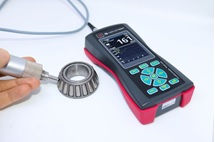
Advanced Material Testing with Ultrasonic Portable Hardness Testers

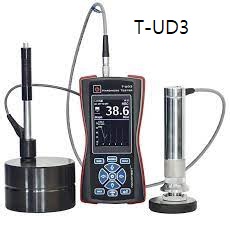
Quality control professionals across industries face the constant challenge of verifying material hardness without compromising component integrity. The ultrasonic portable hardness tester emerges as the ideal solution, combining precision measurement with complete portability for comprehensive on-site material analysis.

Using Ultrasonic Contact Impedance (UCI) technology, these innovative devices measure hardness by analyzing frequency shifts when a vibrating rod contacts the material surface. This advanced methodology enables accurate conversions across major hardness scales including Rockwell (HRC, HRB), Brinell (HB), and Vickers (HV).

Key benefits of ultrasonic portable hardness testers include:

  • Non-Destructive Testing: Minimal indentation preserves component integrity

  • Unmatched Portability: Lightweight design enables testing in any orientation

  • Rapid Results: Instant measurements with laboratory-grade accuracy

  • User-Friendly Operation: Intuitive interface requires minimal training

These testers prove particularly valuable for:

  • Quality assurance in manufacturing

  • Weld inspection and heat-affected zone analysis

  • Large component testing where mobility is essential

  • Preventive maintenance programs across industries

Modern ultrasonic hardness testers feature robust data management capabilities, with Bluetooth connectivity and internal memory supporting comprehensive quality documentation. Their rugged construction ensures reliable performance in demanding industrial environments.

Transform your material verification process with ultrasonic portable hardness testing technology. Experience the efficiency of accurate, non-destructive hardness measurement wherever your quality control needs take you.

Ideal for: Metal fabrication plants, aerospace manufacturers, automotive suppliers, and energy sector applications.

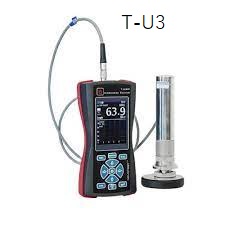
The Combined Hardness Tester NOVOTEST T-UD3 allows user to measure the hardness of any metals, parts of any shape and thickness, measure the hardness of the surface hardened layers and evaluate the tensile strength.
Buy Now
image description

KING TESTER - Portable Brinell Tester

KING

view
x

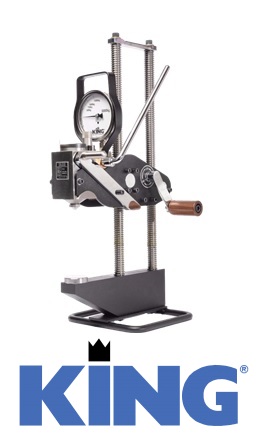
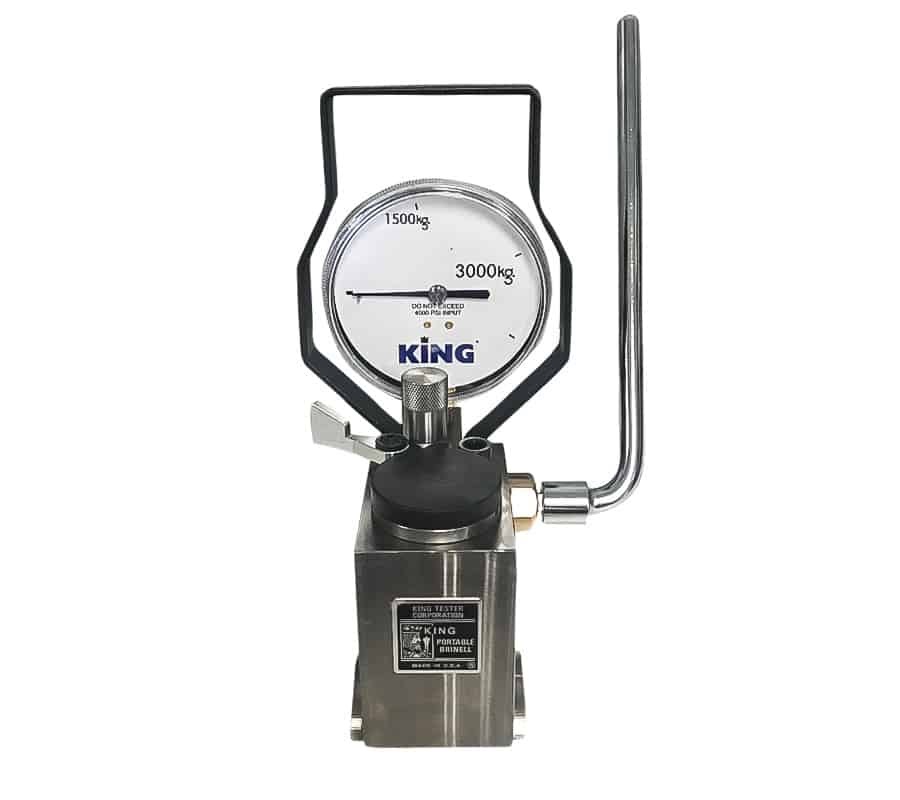
KING Tester Brinell Hardness: Industrial-Grade Material Testing Solutions

Ensure material integrity with KING Tester Brinell Hardness equipment—the trusted choice for metalworking facilities, foundries, and quality control laboratories. Our testers deliver accurate, repeatable Brinell hardness measurements compliant with ASTM E10 and ISO 6506 standards.

Why Choose Brinell Hardness Testing? The Brinell method excels where other techniques fall short. Using a 10mm tungsten carbide ball indenter, it provides superior accuracy for coarse-grained materials, castings, and forgings. The large impression area averages material variations, delivering reliable results for non-homogeneous metals.

KING Tester Key Features:

  • Durable Construction: Heavy-duty frame ensures long-term reliability in demanding environments

  • Precision Optics: Integrated measuring microscope provides clear indentation visualization

  • Flexible Operation: Choose from manual or motorized loading systems to match your workflow

  • Wide Capacity Range: Models available for various force requirements and material types

Ideal Applications:

  • Foundry and casting quality assurance

  • Heat treatment verification processes

  • Welding procedure qualification testing

  • Automotive and aerospace component inspection

Technical Specifications:

  • Compliance: ASTM E10, ISO 6506, and JIS standards

  • Test Forces: 1839-3000 kgf (standard range)

  • Ball Indenters: 10mm tungsten carbide standard

  • Measurement Range: Covers all common industrial metals

KING Tester Brinell Hardness equipment combines robust construction with precise measurement capabilities. Our testers feature user-friendly operation and minimal maintenance requirements, making them ideal for daily industrial use.

Upgrade Your Quality Control Today Contact us to find the perfect Brinell hardness tester for your specific application requirements and budget considerations.

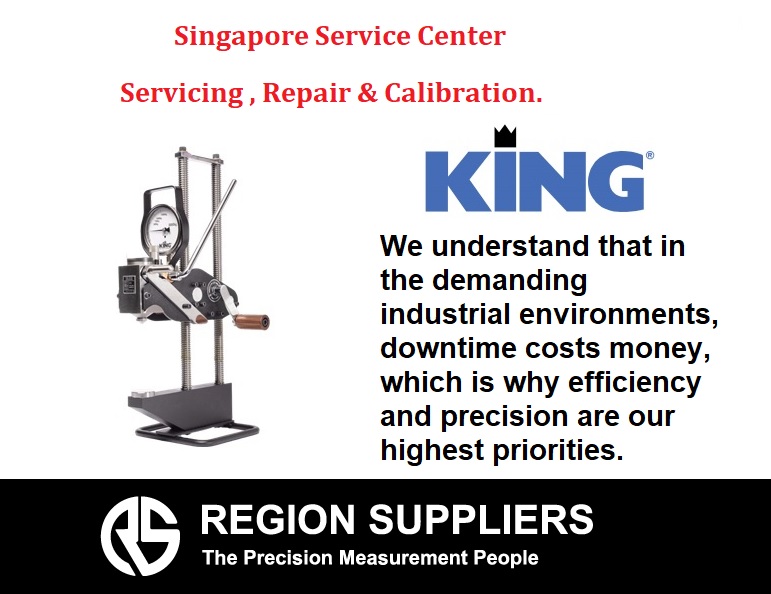
Our Service Center are able to repair with original parts and guided calibration according to ASTM-E10
Buy Now
image description

Rockwell Hardness Tester AT-130

ERNST

view
x

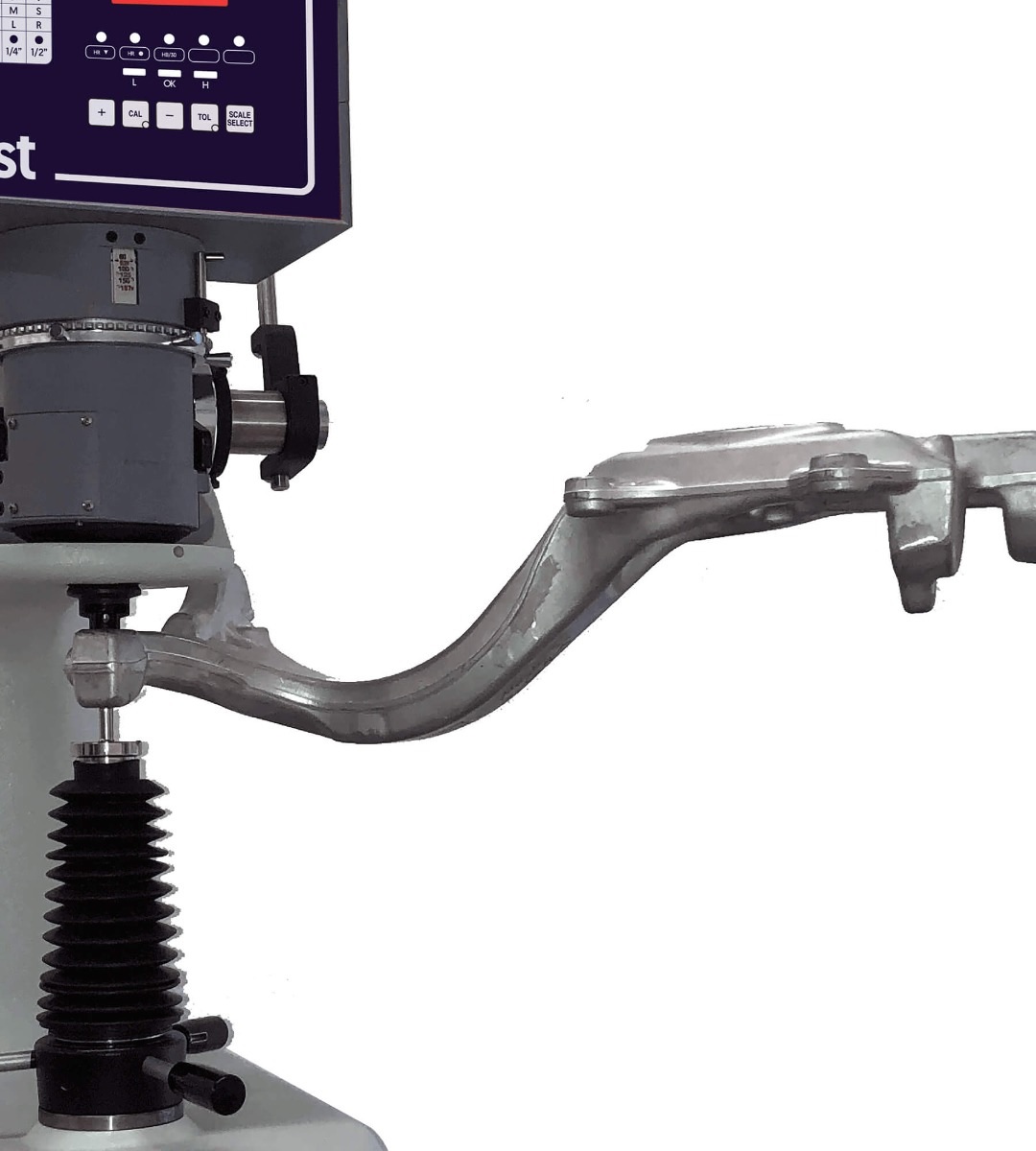
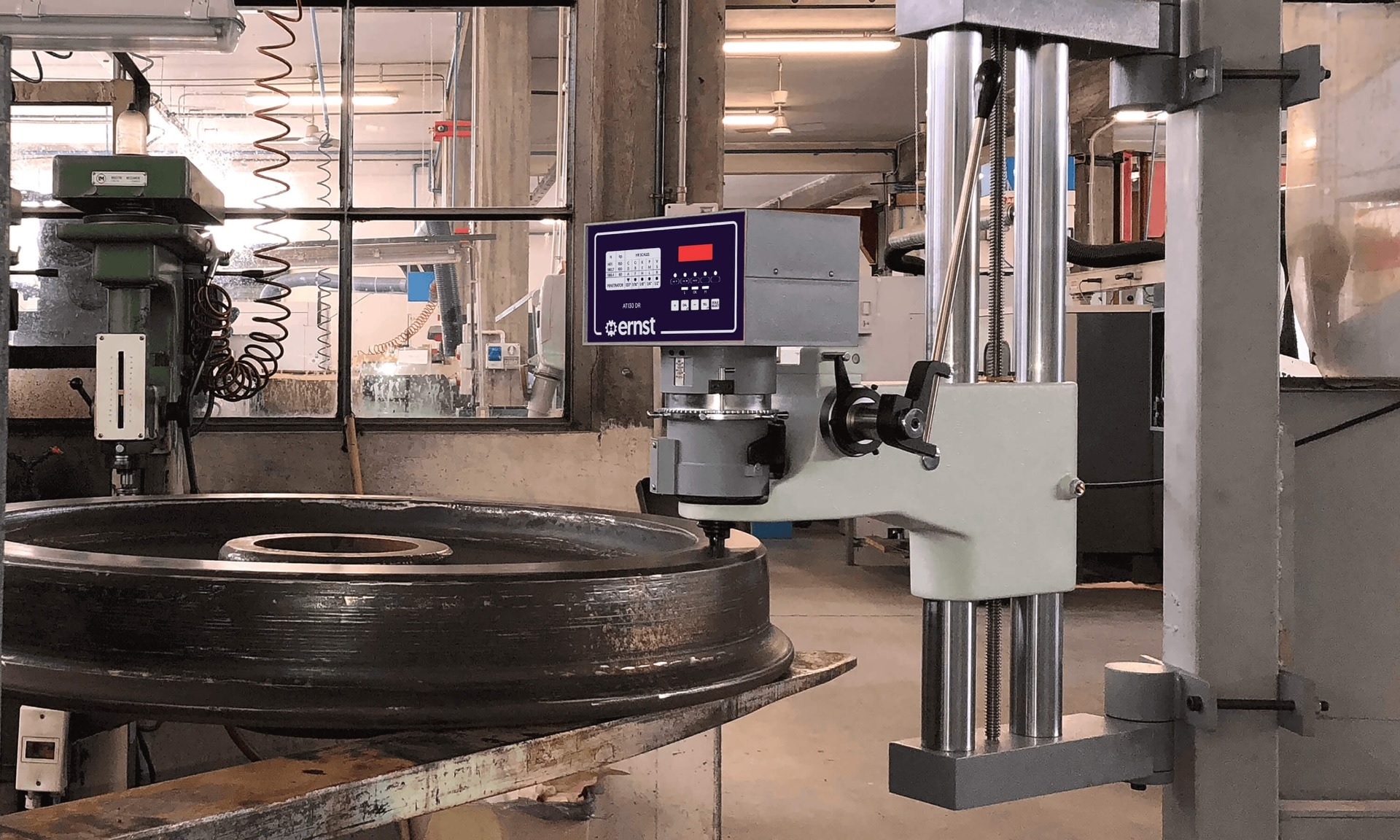
🛠️ Achieve Ultimate Precision: The Ernst AT-130 Rockwell Hardness Tester Solution

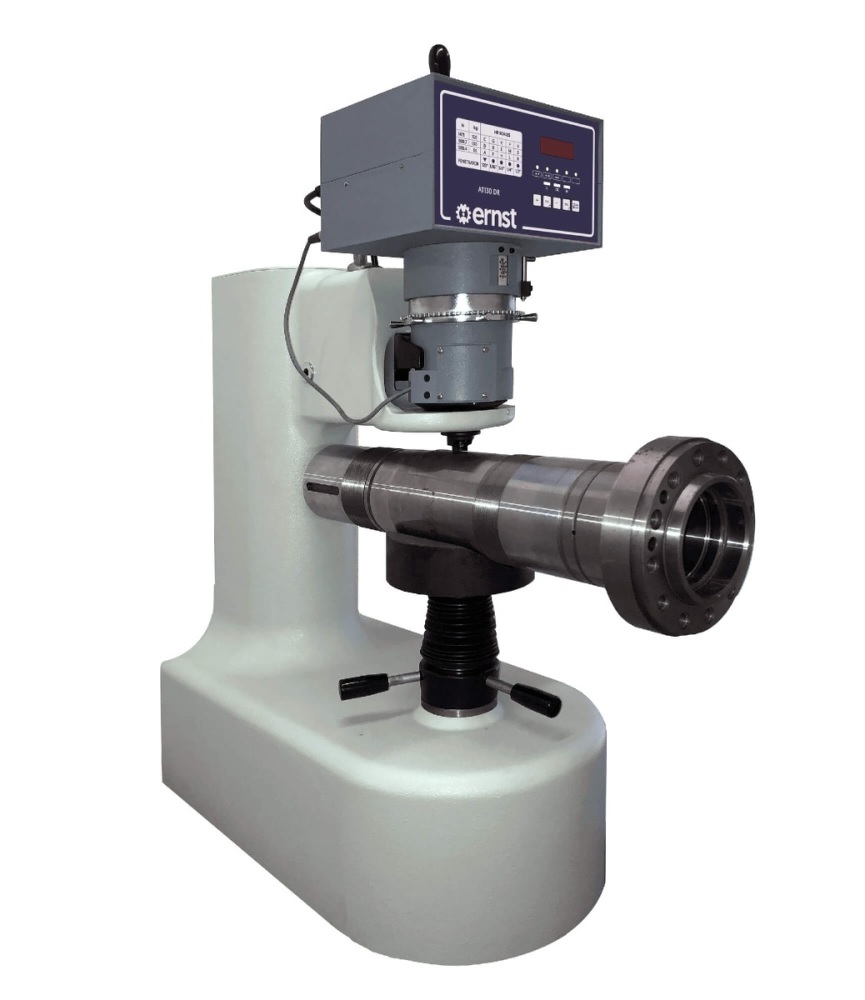
Operating on the proven Rockwell principle (conforming to international standards ASTM E-18 / ISO6508), the AT-130 provides exceptionally reliable measurements that sample bending or deflection cannot affect. This is a crucial distinction. Traditional testers often suffer from accuracy issues when samples lack perfect flatness or support. The AT-130 bypasses this problem entirely. Its innovative, self-referencing spring-load system references the part's surface directly. This revolutionary design means you need minimal surface preparation, significantly cutting down on lab time and effort. The result is superior accuracy and consistent data, even when the industrial environment is demanding or slightly dirty, making perfection impossible.

Testing is streamlined, rapid, and highly efficient. The entire testing process simplifies with a single, smooth lever motion that applies the preload and the final load. The precise digital hardness result displays in just three seconds. This lightning-fast testing capability dramatically boosts productivity for high-volume batch inspections, and 100% component checks right on the shop floor.

Furthermore, the AT-130 offers unmatched versatility. Thanks to the included adjustable clamping shield and the wide range of optional stands and supports (such as the T, N, CAR, and MUR models), the instrument easily measures large, awkwardly shaped, irregular, or overhanging components that a standard bench model cannot test. This adaptability allows the AT-130 to serve as your portable, highly accurate solution for all your regular and superficial Rockwell and Brinell testing requirements. Opt for the Ernst AT-130 for an economical, durable, and universally precise upgrade to your inspection process.


Buy Now
image description

Durometer

DEFELSKO

view
x

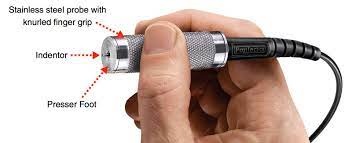
The term durometer refers to both an instrument and a unit of measurement. Essentially, it is the standardized method used to quantify a material's hardness—specifically its resistance to permanent indentation. This measurement is absolutely critical in industries like manufacturing, where materials such as rubber, plastics, and elastomers must meet precise quality and performance specifications. Therefore, knowing the durometer value is vital for product reliability, whether you're making car tires, O-rings, or skate wheels.

Understanding Durometer Scales

The key to accurate measurement lies in using the correct scale. Consequently, several specialized durometer scales, known as Shore scales, have been developed. The two most common are Shore A and Shore D.

  • Shore A: This is primarily used for softer materials, like flexible rubber, elastomers, and soft plastics. A running shoe sole, for example, typically measures around 70 Shore A.

  • Shore D: Furthermore, this scale is reserved for harder materials, such as rigid plastics (like PVC or nylon) and hard rubbers. A hard hat or a skateboard wheel would be measured on the Shore D scale.

The testing process involves pressing a standardized indenter into the material's surface with a calibrated force. The depth of the resulting indentation translates directly into the durometer value, which ranges from 0 to 100. In conclusion, an accurate durometer reading ensures that materials possess the correct properties—not too soft to fail under pressure, and not too hard to be brittle or lack the necessary sealing capability.

Buy Now
image description

Durometer Test Stand

DEFELSKO

view
x

The Challenge of Manual Testing

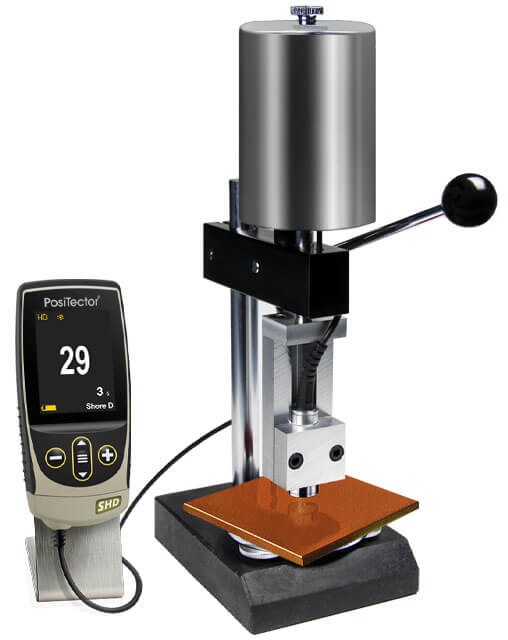
Durometer Test stand test hardness of materials—rubber, plastics, and elastomers—with a hand-held durometer proves challenging. Often, human error in applying the force or maintaining perpendicularity introduces measurement variability. This inconsistency is a major problem for quality control and material specifications. Therefore, relying only on manual readings can cause unnecessary product rejection or product failure from incorrect material data.

The Precision of a Durometer Test Stand

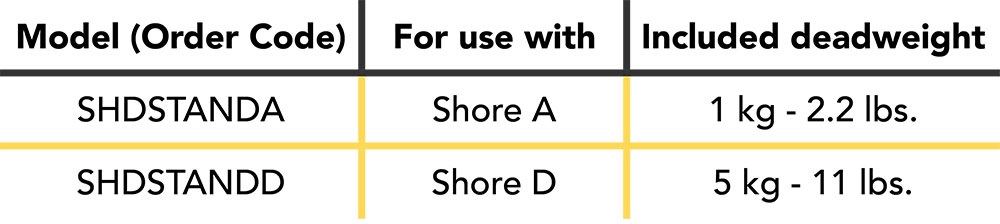
A durometer test stand eliminates these variables. This instrument holds the durometer gauge. It features a precision mechanism that controls both the rate and the amount of force applied to the test sample. Consequently, technicians perform every test under nearly identical, standardized conditions. The stand typically uses a precisely weighted mass or a lever system to ensure the correct downward force. International standards like ASTM and ISO mandate this process.

Key Benefits for Quality Control

Using a test stand offers several vital advantages:

  • Consistency: It ensures the indenter penetrates the material at a uniform speed and with a constant force, producing repeatable readings every time.

  • Perpendicularity: Furthermore, the stand guarantees the durometer's foot is perfectly parallel to the test sample. This ensures the indenter enters the material exactly perpendicular to the surface.

  • Reduced Operator Error: It minimizes the operator's influence. Different technicians can achieve highly comparable results.

In conclusion, if precision and reliability are paramount in your manufacturing process, a Durometer Test Stand is an essential tool. It ensures accurate and defensible material hardness data.

Buy Now
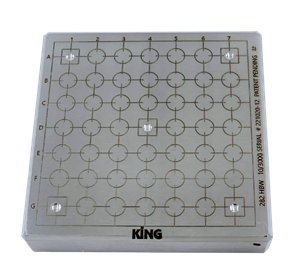
image description

HB Test Blocks

KING

view
x

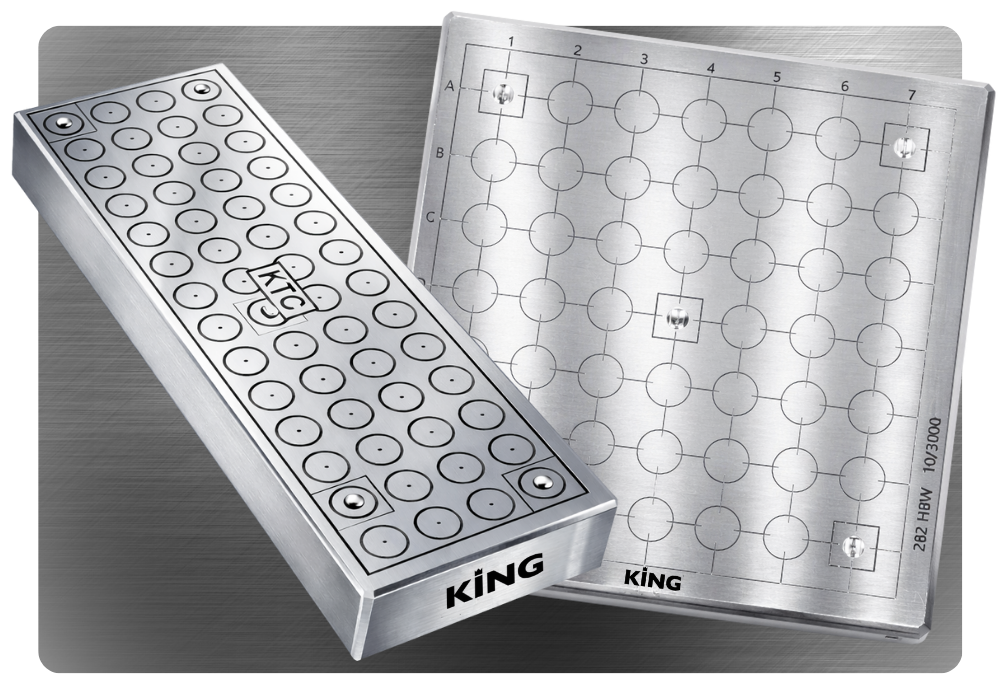
In metallurgy and manufacturing, the Brinell hardness test remains a foundational method for determining a material's resistance to indentation. This measurement is crucial for validating structural integrity and ensuring product safety. However, the accuracy of any hardness test relies completely on the instrument's calibration. This is where HB Test Blocks become absolutely indispensable.

Manufacturers use these certified reference standards to perform regular, critical checks on their Brinell hardness testing machines. Each block features a precise, traceable hardness value, such as 200 HB or 600 HB. By testing the block, operators verify that the hardness tester produces readings that align with the known standard. If the machine's reading deviates, technicians adjust the system immediately, preventing inaccurate material assessments.

High-quality HB Test Blocks meet stringent international standards, including ASTM E10 and ISO 6506. This compliance ensures consistency and reliability across global operations. The best blocks guarantee low surface hardness non-uniformity. This uniformity minimizes measurement uncertainty. Always choose blocks with a valid calibration certificate; this documentation provides the necessary traceability for audits and quality management systems.

Using HB Test Blocks consistently protects your entire production process. They minimize the risk of incorrectly accepting defective material or rejecting perfectly good product. Ultimately, these small, specialized tools save significant time and resources while upholding your commitment to uncompromising quality. Make daily verification a priority.

Buy Now
image description

Ball Adapter

KING

view
x

BALL ADAPTER

The 5/2.5mm Ball Adapter is used for low pressure testing and can be utilized where a small impression is desired for tool steel and parts.
Buy Now
image description

King Special Base with Deep Throat

KING

view
x
image description

King Special Base

KING

view
x
image description

King Standard Base with Deep Throat

KING

view
x