CATEGORY:

Dimensional Measuring Instruments

Reference Gages

Filter results by:
image description

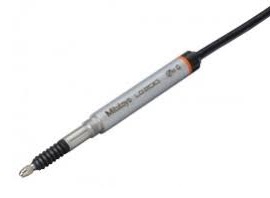
LG200 Slim Linear Gages

MITUTOYO

view
x

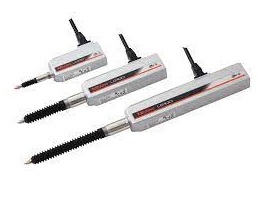
Precision in Tight Spaces: The LG200 Slim Linear Gages Advantage

In the world of precision manufacturing, space is a luxury. Engineers often struggle to fit high-accuracy sensors into compact machinery. The LG200 Slim Linear Gages solve this problem. These sensors offer a perfect blend of a slim profile and rugged durability. They provide the reliable data you need without compromising your machine’s footprint.

Engineered for Compact Performance

The LG200 series stands out because of its incredibly slender design. These gages fit easily into multi-point measurement fixtures where space is limited. Despite their small size, they do not sacrifice performance. You get high-resolution feedback that ensures every component meets your strict quality standards.

Key Benefits of the LG200 Series

  • Space-Saving Design: The slim body allows for high-density mounting in tight arrays.

  • High Durability: Built to withstand harsh shop floor environments, these gages resist dust and oil.

  • Precision Accuracy: Achieve micron-level measurements consistently across high-volume production runs.

  • Easy Integration: The LG200 works seamlessly with standard displays and PLC interfaces for immediate data collection.

Optimize Your Quality Control

Using the LG200 Slim Linear Gages means fewer bottlenecks in your inspection process. Because they are so compact, you can measure multiple points simultaneously. This speeds up your cycle times and improves overall throughput. When accuracy is non-negotiable but space is tight, these linear gages deliver the results you expect.

Invest in technology that grows with your needs while shrinking your hardware footprint. The LG200 series proves that you can have industrial-strength power in a slim, elegant package. Upgrade your fixtures today and experience the difference.

Buy Now
image description

GRANITE SURFACE PLATE

PREMIUM

view
x

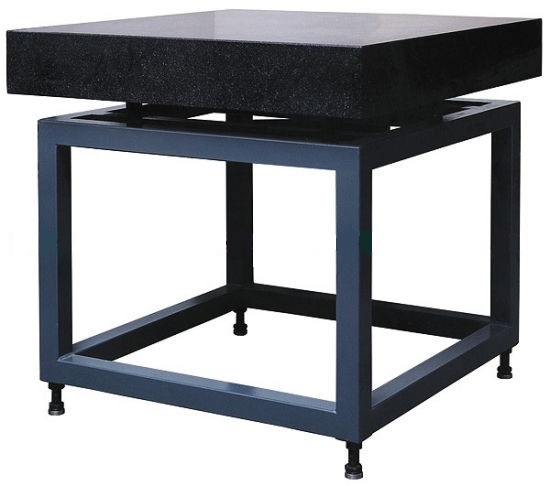
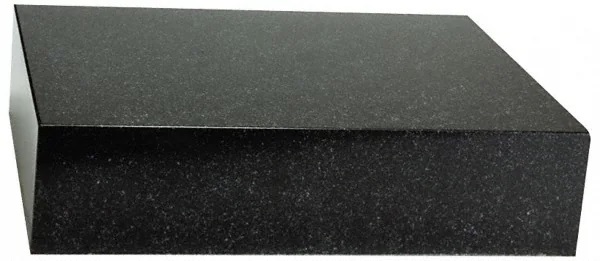
The Foundation of Precision: Your Guide to Surface Granite Plate Testers

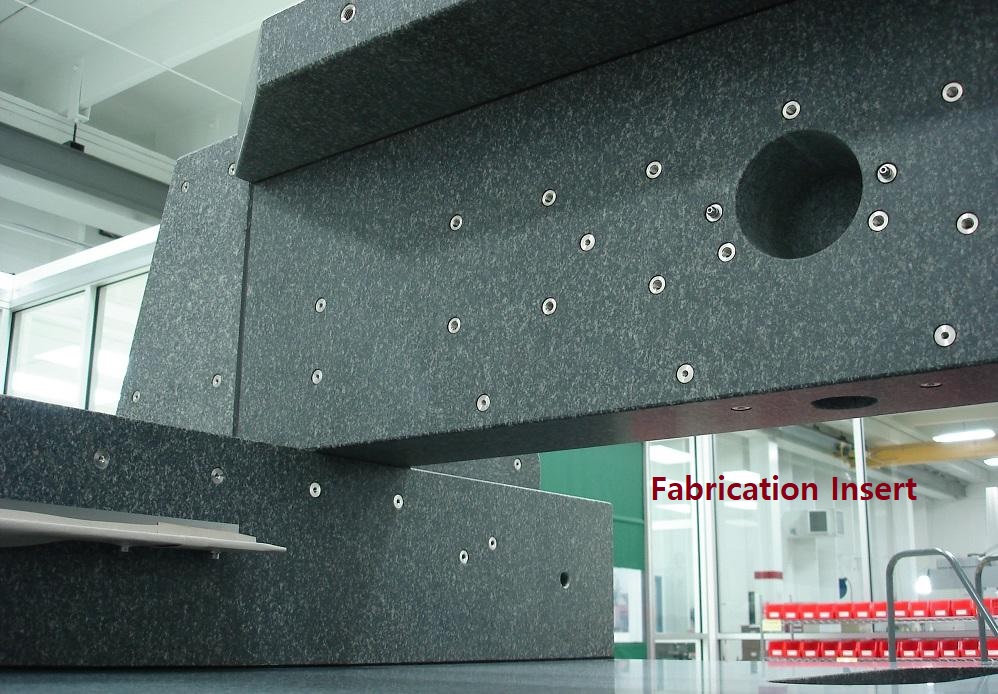
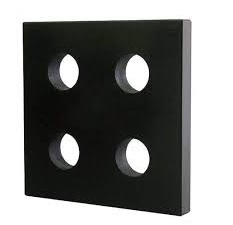
In the world of precision manufacturing and quality control, accuracy begins with a perfectly flat reference surface. This is the critical role of a surface granite plate tester. More commonly known as a granite surface plate, this instrument provides an ultra-stable, non-magnetic, and corrosion-resistant datum for inspection, layout, and calibration tasks.

Granite surface plates are lapped to exceptional flatness tolerances, categorized by grades that dictate their accuracy for specific applications. Grade 00 offer the highest precision for laboratory environments, workhorses for toolrooms and production floors.

Key advantages of using a granite surface plate include:

  • Unmatched Stability: Naturally hard and wear-resistant, maintaining its accuracy over time with proper care.

  • Thermal Stability: It reacts slowly to temperature changes, minimizing measurement errors caused by thermal expansion.

  • Versatile Application: It serves as a reliable base for height gauges, dial indicators, and as a flatness reference for inspecting parts.

  • Durable & Non-Corrosive: Unlike metal plates, granite will not rust and is resistant to most chemicals.

Using a surface granite plate tester is fundamental for ensuring that measurements from other tools, like CMMs or height gauges, are trustworthy. It is the bedrock of any serious quality assurance process.

Buy Now
image description

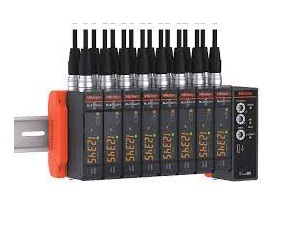
EJ-102N/NE Industrial Interface - Mounted Compact Counter

MITUTOYO

view
x

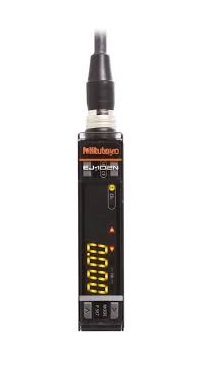
Maximum Control: The EJ-102N/NE Industrial Interface Counter

Space on a control panel is a premium asset. Engineers often need powerful data processing without the bulk of traditional hardware. The EJ-102N/NE Industrial Interface mounted compact counter delivers exactly that. This device offers a high-performance solution for monitoring linear gage data in real-time. It combines a small footprint with industrial-grade reliability.

Compact Design, Massive Power

The EJ-102N/NE series stands out because of its versatile mounting options. You can easily integrate these counters into existing DIN rails or control panels. Despite the compact size, the interface handles high-speed data transfer with ease. It supports multiple input channels, which allows you to monitor various measurement points simultaneously. This efficiency makes it the perfect hub for your automated inspection systems.

Key Features for Industrial Success

  • High-Speed Sampling: Capture precise data points instantly to keep up with fast production lines.

  • Flexible Connectivity: The NE models offer advanced networking capabilities for seamless PLC integration.

  • Clear Digital Display: Operators get immediate visual confirmation of measurement values.

  • Rugged Build: Designed for the factory floor, this interface resists electrical noise and vibrations.

Optimize Your Production Line

Choosing the EJ-102N/NE Industrial Interface ensures your data stays accurate and accessible. You no longer have to choose between a compact size and robust features. This counter provides the speed you need to maintain high throughput. It reduces setup complexity and minimizes wiring clutter in your cabinets.

Invest in a counter that simplifies your workflow. The EJ-102N/NE series empowers your team to make faster, smarter decisions based on live data. Bring superior precision to your control panel today.

Buy Now
image description

LG100 Linear Gages

MITUTOYO

view
x

Precision in Motion: Why LG100 Linear Gages Rule the Shop Floor

Precision defines modern manufacturing. In 2026, LG100 Linear Gages set the standard for high-speed, accurate measurements. These advanced Mitutoyo sensors help quality teams monitor production lines with total confidence. They bridge the gap between simple indicators and full-scale automated inspection systems.

Built for the Toughest Environments

We know that your factory floor can be a harsh and messy place. The LG100 series features an IP67G protection rating, ensuring the gage resists coolant, oil, and dust. You can install these sensors directly on machining centers without fear of internal damage. The high-quality rubber cap and cable sheath provide extra protection against chemical wear.

Why Engineers Choose the LG100

These gages offer several critical advantages for modern automated systems:

  • High Resolution: Achieve measurements down to 0.1μm or 0.5μm for tight tolerances.

  • Massive Durability: The spindle design withstands over 50 million sliding cycles.

  • Fast Response: The sensor tracks rapid changes at speeds up to 1500 mm/s.

  • Smart Integration: Use the reference point signal to restore settings quickly after a power loss.

Enhancing Your Quality Control

Integrating LG100 Linear Gages into your workflow reduces human error instantly. Operators receive real-time data for every part on the assembly line. This consistency prevents scrap and saves your company significant money. If you need a reliable solution for multi-point inspection, the LG100 remains the best industrial choice.

Buy Now
image description

SURFACE ROUGHNESS COMPARATOR

SPI

view
x

Mastering Quality Control: The Surface Roughness Comparator

In precision manufacturing, "smooth enough" is rarely sufficient. Achieving the correct finish is vital for part functionality and longevity. This is where the surface roughness comparator becomes an essential tool on the shop floor.

What is a Surface Roughness Comparator?

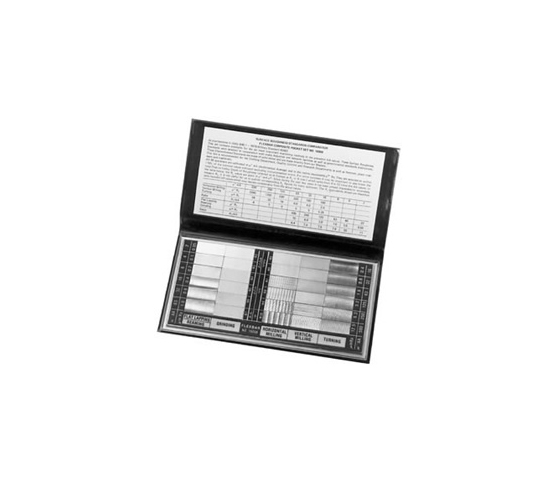
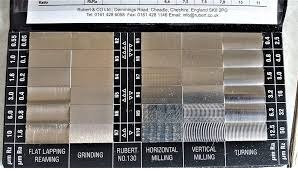
A surface roughness comparator is a reference standard used to estimate the texture of a machined surface. It consists of a plate featuring several segments. Each segment represents a specific roughness value, typically measured in $Ra$ (Arithmetical Average) or $Rz$ (Mean Roughness Depth).

How to Use It Effectively

Using a comparator is straightforward yet highly effective. It relies on two primary methods:

  1. Visual Inspection: You place the comparator next to your workpiece under good lighting. By comparing the light reflection and pattern, you can estimate the finish.

  2. Tactile Comparison: This is often more accurate. You run a fingernail across the workpiece and then across the comparator segments. If the "feel" matches, the roughness is likely within that specific range.

Why Your Shop Needs One

While digital profilometers provide exact data, they are expensive and delicate. Comparators offer a cost-effective alternative for quick checks. They help operators monitor tool wear and ensure parts meet engineering specifications before moving to the next production stage.

Using these tools reduces scrap rates. It also ensures consistency across different batches. Whether you are milling, turning, or grinding, a comparator provides a reliable baseline for quality.

Conclusion

A surface roughness comparator is a small investment that yields significant results. It bridges the gap between raw machining and precision engineering. By integrating these into your workflow, you maintain high standards and keep customers satisfied.

The scale conforms to it specifications for visual and tactile inspection only Flat lapping, reaming, grinding, horizontal milling & vertical milling Ra 2 to 500 µm surface finish, nickel plating SPI
Buy Now
image description

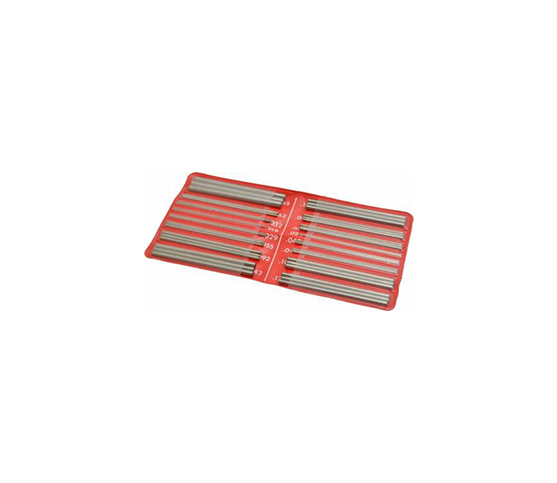
PEE DEE - THREAD MEASURING WIRE SP98-370-0

SPI

view
x
image description

SURFACE PLATE CLEANER

STARRETT

view
x
SURFACE PLATE CLEANER Description: Use of this cleaner keeps surface plates and other precision granite products in top condition. Regular cleaning helps prevent abrasion of tools by dirt and other foreign particles. Features:
  • Engineered specifically for use on granite surface plates and accessories.
  • Keeps surface plates in top condition.
  • Helps prevent abrasion caused by dirt and other foreign particles.
  • Acts as a degreaser and rust inhibitor.
Specifications:
  • Type (liquid or waterless): Waterless
  • Container Size: 1.0 LB / 0.5KG
Buy Now
image description

Digital Angle Meter

SK Niigata Seiki

view
x

Achieve Perfect Precision with a Digital Angle Meter

In construction and woodworking, a slight error can ruin an entire project. Precision is no longer a luxury; it is a requirement. The digital angle meter, also known as a digital protractor, provides the accuracy you need for every task.

What is a Digital Angle Meter?

A digital angle meter is a compact, electronic tool that measures slope and angles with extreme precision. Unlike traditional spirit levels, these devices provide a clear numerical readout on an LCD screen. They usually measure in degrees, percent, or millimeters per meter.

Key Features of Modern Meters

Today’s tools offer more than just basic readings. Most high-quality models include:

  • Magnetic Bases: These allow you to attach the meter to saw blades or metal pipes for hands-free work.

  • Automatic Inversion: The display flips when you turn the device upside down.

  • Hold Function: This freezes the measurement on the screen for easy recording.

Common Applications

Whether you are a professional or a DIY enthusiast, this tool is invaluable. Carpenters use them to set table saw blade angles perfectly. Welders rely on them to align joints before fusing metal. Even DIYers find them useful for hanging shelves or checking the pitch of a roof.

Why Switch to Digital?

Digital meters eliminate the guesswork of reading bubbles or manual scales. They provide instant results, which saves time on the job site. Because they are small, they fit easily into a pocket or tool belt.

By adding a digital angle meter to your toolkit, you ensure every cut and every alignment is perfect the first time.

Precision angle measurement and working reference for assembly of machinery, tooling, jigs, etc. Magnetic base In Relative Mode, Zero-point can be set at any position. Origin can be set and stored for use in Absolute Mode
Buy Now
image description

DIGITAL LEVEL - LEVELNIC DL-S3

SK Niigata Seiki

view
x

Achieve Perfection: The Power of the LEVELNIC DL-S3 Digital Level

High-precision machinery requires a foundation that is perfectly flat and level. Even a microscopic tilt can cause long-term wear or calibration errors. The LEVELNIC DL-S3 stands as the ultimate solution for industrial leveling tasks. This high-sensitivity digital level transforms how engineers measure straightness, flatness, and verticality. It brings laboratory-grade precision directly to your shop floor.

Superior Sensitivity for Modern Engineering

The DL-S3 series excels because it offers incredible resolution. While traditional bubble levels rely on human eyesight, the LEVELNIC provides a clear digital readout. It detects the smallest variations in surface angle instantly. This accuracy is essential for installing CNC machine tools or leveling surface plates. The device features a built-in RS232C output, which allows you to send data directly to a PC for professional analysis.

Why Professionals Choose the DL-S3

  • High Resolution: Measure angles with extreme precision down to .

  • User-Friendly Interface: The large digital display eliminates the guesswork found in analog vials.

  • Fast Response Time: Get stable readings in seconds to speed up your installation process.

  • Versatile Applications: Use it for checking machine tool beds, measuring floor flatness, or calibrating large structures.

Optimize Your Machine Performance

Integrating the LEVELNIC DL-S3 into your maintenance routine extends the life of your equipment. Correct leveling reduces vibration and prevents premature mechanical failure. This proactive approach saves your company thousands in repair costs. When your machines are level, your output remains consistent and your quality remains high.

Don't settle for "close enough" when it comes to your machine foundations. Choose the tool that sets the global standard for digital leveling. Invest in a LEVELNIC DL-S3 today and build your success on a perfect foundation.

Buy Now
image description

TAPER GAUGES

SK Niigata Seiki

view
x
image description

TAPER GAUGES

SK Niigata Seiki

view
x

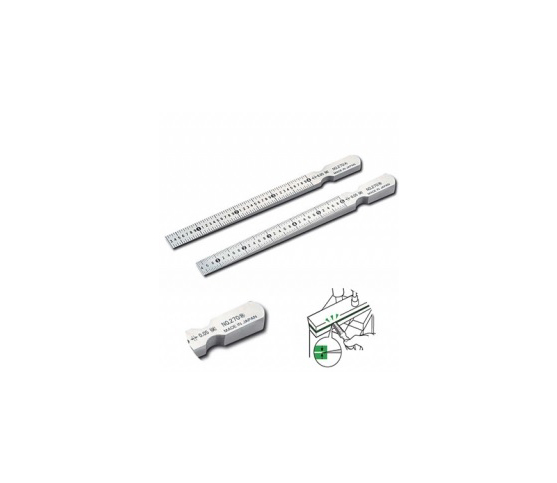
Mastering Precision with Taper Gauges

In the world of mechanical engineering, measuring internal widths and gaps requires specialized tools. A taper gauge is a simple yet powerful instrument designed for this exact purpose. Whether you are checking pipe fit-ups or slot widths, this tool delivers instant results.

What is a Taper Gauge?

A taper gauge is a thin, wedge-shaped metal tool. It features precise graduations along its length. As you slide the gauge into a gap, the width increases at a constant rate. The point where the gauge stops indicates the exact measurement of the opening.

Key Benefits for Your Workflow

Manufacturers prefer these gauges because they offer several advantages:

  • Speed: You get a reading in seconds without complex setups.

  • Portability: Most models are small enough to fit in a shirt pocket.

  • Durability: Made from stainless steel, they resist wear and corrosion in harsh shop environments.

  • Dual Scales: Many gauges provide measurements in both metric and imperial units.

Common Uses in the Field

You will find a taper gauge in almost every inspection toolkit. Welders use them to measure root gaps before joining metal plates. Machinists rely on them to check the diameter of tubing or the width of narrow slots. Even automotive technicians use them to verify clearances between engine components.

Tips for Accurate Readings

To ensure the best results, always keep the gauge clean. Dirt or oil can change the reading slightly. Gently insert the tool into the gap until it makes light contact with both sides. Do not force it, as this can damage the thin edge or give a false measurement.

By using a reliable taper gauge, you maintain high standards of quality and safety. It is an essential investment for any precision-focused professional.

Satin finishing Measure openings, slot width, hole size etc. Use the width of taper to measure the gap width Hardened stainless steel (SUS420J2) HV480
Buy Now
image description

WELDING GAUGES

SK Niigata Seiki

view
x

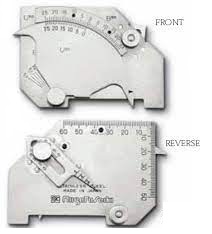
Mastering Quality with Welding Gauges

In the welding industry, visual inspection is the first line of defense against structural failure. To ensure a joint meets safety standards, inspectors must go beyond a simple glance. Consequently, welding gauges are the primary tools used to verify dimensions and identify defects accurately.

What are Welding Gauges?

Welding gauges are precision instruments designed to measure various parts of a weld. For example, they check the size of a fillet weld, the height of a reinforcement, and the depth of an undercut. Because they come in various shapes—such as the Bridge Cam or V-WAC gauge—they can handle almost any inspection task.

Why These Tools Are Essential

Accuracy in welding prevents catastrophic errors. If a weld is too small, it may not hold the required load. On the other hand, overwelding wastes expensive filler metal and increases heat distortion. Using a welding gauge provides several key benefits:

  • Code Compliance: You can prove your work meets AWS or ISO standards.

  • Safety: Accurate measurements ensure the joint can handle its design stress.

  • Cost Efficiency: You avoid wasting time and materials on unnecessary repairs.

How to Use a Fillet Weld Gauge

Using a standard fillet gauge is very straightforward. First, select the gauge that matches the specified weld size. Next, place the curved edge against the toe of the weld. Finally, check if the blade tip touches the center of the weld face. This quick check confirms if the throat thickness is sufficient.

Maintaining Your Gauges

To keep your tools reliable, you must keep them clean. Wipe off soot and metal shavings after every use. Furthermore, store them in a protective case to prevent bending the thin measuring blades.

Ultimately, a set of high-quality welding gauges is a small investment that protects your professional reputation. It ensures every bead you lay is safe, strong, and precise.

Measure undercut depth/ Groove angle/ Inconsistent level Height of fillet weld & bead weld/ Throat thickness of fillet Root opening/ Plate thicknessExternal diameter of circular workpiece Stainless steel (SUS420J2)
Buy Now