Brand:

SK Niigata Seiki

Filter results by:
image description

Feeler Gauge SFG series

SK Niigata Seiki

view
x
Essential for assembly and adjustment, this filler gauge can be cut to the required size. [Features] · Used in the assembly and adjustment of automobile engines and other internal-combustion engines. · Essential for assembly and adjustment. · Can be cut to the required size for use. [Applications] · Can be used for measuring gaps. Stainless Steel SUS301H Leaf Thickness: 0.005, 0.02 to 0.10mm Length: 1 meter
Buy Now
image description

DIGITAL LEVEL - LEVELNIC DL-S3

SK Niigata Seiki

view
x
image description

TAPER GAUGES

SK Niigata Seiki

view
x
image description

TAPER GAUGES

SK Niigata Seiki

view
x

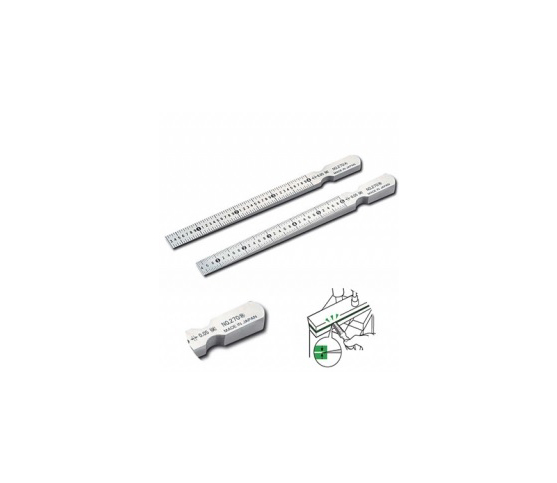
Mastering Precision with Taper Gauges

In the world of mechanical engineering, measuring internal widths and gaps requires specialized tools. A taper gauge is a simple yet powerful instrument designed for this exact purpose. Whether you are checking pipe fit-ups or slot widths, this tool delivers instant results.

What is a Taper Gauge?

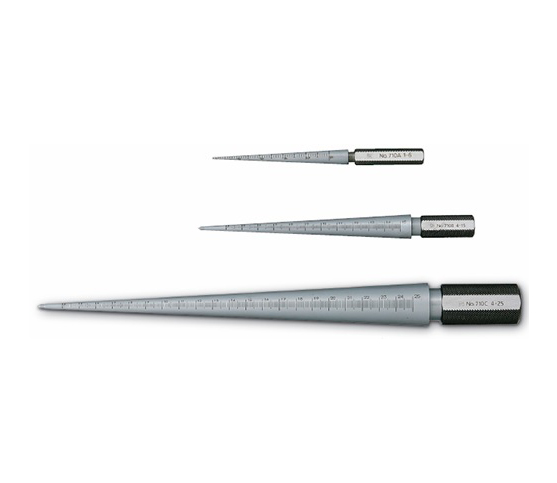
A taper gauge is a thin, wedge-shaped metal tool. It features precise graduations along its length. As you slide the gauge into a gap, the width increases at a constant rate. The point where the gauge stops indicates the exact measurement of the opening.

Key Benefits for Your Workflow

Manufacturers prefer these gauges because they offer several advantages:

  • Speed: You get a reading in seconds without complex setups.

  • Portability: Most models are small enough to fit in a shirt pocket.

  • Durability: Made from stainless steel, they resist wear and corrosion in harsh shop environments.

  • Dual Scales: Many gauges provide measurements in both metric and imperial units.

Common Uses in the Field

You will find a taper gauge in almost every inspection toolkit. Welders use them to measure root gaps before joining metal plates. Machinists rely on them to check the diameter of tubing or the width of narrow slots. Even automotive technicians use them to verify clearances between engine components.

Tips for Accurate Readings

To ensure the best results, always keep the gauge clean. Dirt or oil can change the reading slightly. Gently insert the tool into the gap until it makes light contact with both sides. Do not force it, as this can damage the thin edge or give a false measurement.

By using a reliable taper gauge, you maintain high standards of quality and safety. It is an essential investment for any precision-focused professional.

Satin finishing Measure openings, slot width, hole size etc. Use the width of taper to measure the gap width Hardened stainless steel (SUS420J2) HV480
Buy Now
image description

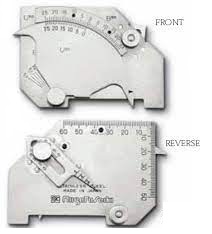
WELDING GAUGES

SK Niigata Seiki

view
x

Mastering Quality with Welding Gauges

In the welding industry, visual inspection is the first line of defense against structural failure. To ensure a joint meets safety standards, inspectors must go beyond a simple glance. Consequently, welding gauges are the primary tools used to verify dimensions and identify defects accurately.

What are Welding Gauges?

Welding gauges are precision instruments designed to measure various parts of a weld. For example, they check the size of a fillet weld, the height of a reinforcement, and the depth of an undercut. Because they come in various shapes—such as the Bridge Cam or V-WAC gauge—they can handle almost any inspection task.

Why These Tools Are Essential

Accuracy in welding prevents catastrophic errors. If a weld is too small, it may not hold the required load. On the other hand, overwelding wastes expensive filler metal and increases heat distortion. Using a welding gauge provides several key benefits:

  • Code Compliance: You can prove your work meets AWS or ISO standards.

  • Safety: Accurate measurements ensure the joint can handle its design stress.

  • Cost Efficiency: You avoid wasting time and materials on unnecessary repairs.

How to Use a Fillet Weld Gauge

Using a standard fillet gauge is very straightforward. First, select the gauge that matches the specified weld size. Next, place the curved edge against the toe of the weld. Finally, check if the blade tip touches the center of the weld face. This quick check confirms if the throat thickness is sufficient.

Maintaining Your Gauges

To keep your tools reliable, you must keep them clean. Wipe off soot and metal shavings after every use. Furthermore, store them in a protective case to prevent bending the thin measuring blades.

Ultimately, a set of high-quality welding gauges is a small investment that protects your professional reputation. It ensures every bead you lay is safe, strong, and precise.

Measure undercut depth/ Groove angle/ Inconsistent level Height of fillet weld & bead weld/ Throat thickness of fillet Root opening/ Plate thicknessExternal diameter of circular workpiece Stainless steel (SUS420J2)
Buy Now
image description

Digital Angle Meter

SK Niigata Seiki

view
x

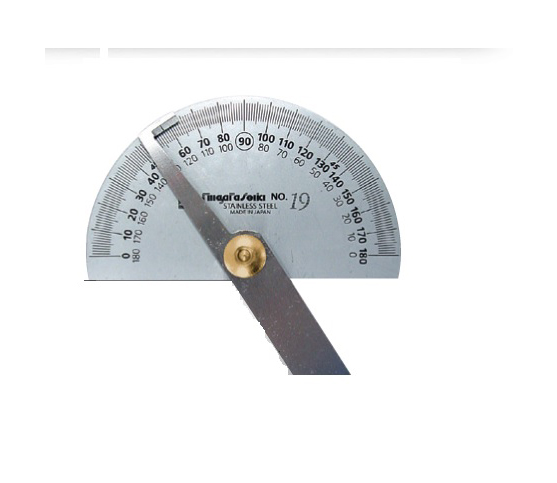
Achieve Perfect Precision with a Digital Angle Meter

In construction and woodworking, a slight error can ruin an entire project. Precision is no longer a luxury; it is a requirement. The digital angle meter, also known as a digital protractor, provides the accuracy you need for every task.

What is a Digital Angle Meter?

A digital angle meter is a compact, electronic tool that measures slope and angles with extreme precision. Unlike traditional spirit levels, these devices provide a clear numerical readout on an LCD screen. They usually measure in degrees, percent, or millimeters per meter.

Key Features of Modern Meters

Today’s tools offer more than just basic readings. Most high-quality models include:

  • Magnetic Bases: These allow you to attach the meter to saw blades or metal pipes for hands-free work.

  • Automatic Inversion: The display flips when you turn the device upside down.

  • Hold Function: This freezes the measurement on the screen for easy recording.

Common Applications

Whether you are a professional or a DIY enthusiast, this tool is invaluable. Carpenters use them to set table saw blade angles perfectly. Welders rely on them to align joints before fusing metal. Even DIYers find them useful for hanging shelves or checking the pitch of a roof.

Why Switch to Digital?

Digital meters eliminate the guesswork of reading bubbles or manual scales. They provide instant results, which saves time on the job site. Because they are small, they fit easily into a pocket or tool belt.

By adding a digital angle meter to your toolkit, you ensure every cut and every alignment is perfect the first time.

Precision angle measurement and working reference for assembly of machinery, tooling, jigs, etc. Magnetic base In Relative Mode, Zero-point can be set at any position. Origin can be set and stored for use in Absolute Mode
Buy Now
image description

PIN GAUGE CABINET

SK Niigata Seiki

view
x
image description

PIN GAUGES - INDIVIDUAL

SK Niigata Seiki

view
x
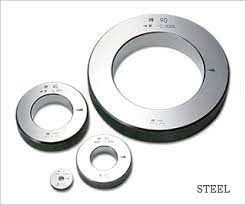
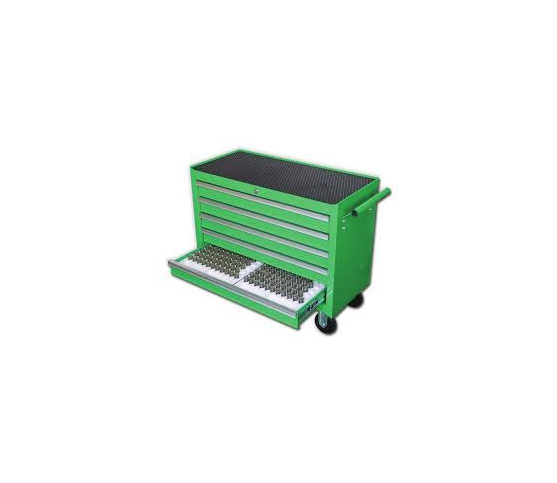
The pin shape according to fixed size precisely. Measure and inspect the diameter of small holes, A test bar for geometric deviations measurements. Tolerance : +/- 0.001 or 0.0005mm can be achieve. Made in Japan Let us know what sizes you need.
Buy Now
image description

PIN GAUGES SET - STEEL PG SERIES

SK Niigata Seiki

view
x
image description

PIN GAUGE SET

SK Niigata Seiki

view
x

Precision Inspection with a Pin Gauge Set

In high-stakes manufacturing, "close enough" never passes inspection. To ensure parts fit together perfectly, machinists rely on a pin gauge set. These tools provide the most reliable way to check small hole diameters and tolerances.

What is a Pin Gauge Set?

A pin gauge set consists of a collection of hardened steel cylinders. Each pin has a very specific, calibrated diameter. Manufacturers usually offer these in "plus" or "minus" tolerances. A "plus" set is slightly larger than the nominal size, while a "minus" set is slightly smaller to ensure it fits the intended hole.

Why Every Machine Shop Needs One

Small holes are difficult to measure with calipers or micrometers. A pin gauge offers a "Go/No-Go" test. If the "Go" pin fits and the "No-Go" pin does not, your part meets the required specifications. This method is fast, repeatable, and reduces human error during inspection.

[Image showing a pin gauge being used to check a hole diameter]

How to Maintain Accuracy

To keep your pin gauge set in top condition, follow these simple rules:

  • Cleanliness: Always wipe pins with a lint-free cloth before and after use.

  • Lubrication: Apply a light coat of anti-rust oil to prevent corrosion.

  • Proper Handling: Never force a pin into a hole. If it doesn't slide in smoothly, the hole is likely undersized.

  • Organized Storage: Always return pins to their marked slots to avoid size confusion.

Conclusion

Investing in a quality pin gauge set improves your quality control process. It gives you the confidence that every part you produce matches the engineering drawing. Whether you work in aerospace, automotive, or medical device manufacturing, these pins are essential for success.

STEEL AA SERIES Sub-zero treatment (Cryogenic hardened) Tolerance +/- 0.8µm Range from 0.06mm to 20mm in step of 0.01mm Hardness HV650
Buy Now
image description

Stainless Steel Thickness Gage

SK Niigata Seiki

view
x
image description

RUN OUT GAUGE

SK Niigata Seiki

view
x

Achieving Total Precision with a Run Out Gauge

In mechanical engineering, even a tiny wobble can lead to a massive failure. When a shaft or gear rotates, it must remain perfectly centered. Consequently, a run out gauge—often referred to as a dial indicator—is the essential tool for detecting these hidden imperfections.

What is a Run Out Gauge?

A run out gauge measures the "wobble" or eccentricity of a rotating component. It consists of a sensitive plunger connected to a needle or digital display. As the part rotates, the gauge tracks any deviation from a perfect circle. Usually, engineers measure two types: radial run out (side-to-side) and axial run out (end-to-end).

Why Is This Measurement Critical?

Even a microscopic deviation can cause significant problems at high speeds. If you ignore run out, you will likely face these issues:

  • Excessive Vibration: This leads to noisy operation and operator discomfort.

  • Premature Wear: Bearings and seals fail much faster than expected.

  • Poor Surface Finish: In machining, run out creates "chatter" marks on the workpiece.

  • Machine Damage: Persistent imbalance can destroy expensive spindles.

How to Use a Run Out Gauge Effectively

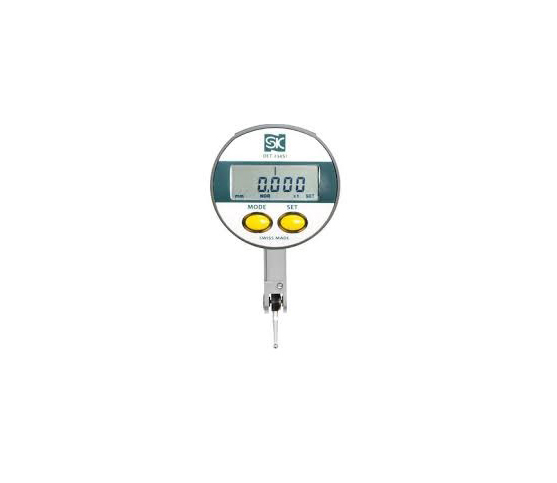
To get an accurate reading, you must follow a careful process. First, mount the gauge on a stable magnetic base. Next, position the tip so it touches the surface of the part. Then, rotate the part slowly by hand for one full turn. Finally, observe the "Total Indicator Reading" (TIR). This value represents the difference between the highest and lowest points on the dial.

Maintenance for Long-Term Accuracy

To keep your run out gauge precise, you must treat it with care. For example, never drop the tool or snap the plunger. Additionally, keep the contact point free of oil and metal chips. By maintaining this tool, you ensure your machinery runs smoothly for years.

Ultimately, detecting run out early saves time and money. It is the best way to guarantee professional results in any machine shop.

Enables easy concentricity measurements using test indicator. Wide Selection of Base Length, rollers and carrier. Provide 2um maximum accuracy. A fine angle adjustment carriage to offer easy Zero setting. Equipped with "work stopper" that stops the movement during measurement. Factory specification can measure diameter not more than 45mm.
Buy Now