CATEGORY:

All Categories

image description

DIGITAL LEVEL - LEVELNIC DL-S3

SK Niigata Seiki

view
x
image description

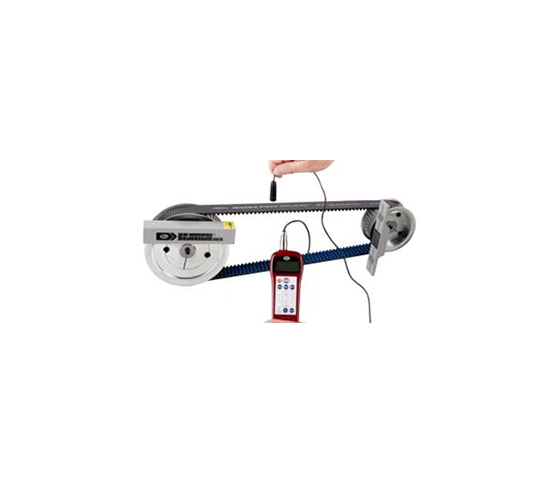
BELT TENSION METER

SONIC

view
x

Maximizing Efficiency with a Belt Tension Meter

In industrial maintenance, proper belt tension is critical for system health. If a belt is too loose, it slips and loses power. Conversely, if it is too tight, it damages bearings and motors. Consequently, a belt tension meter is the most reliable tool to find that perfect balance.

What is a Belt Tension Meter?

A belt tension meter is a precision instrument that measures the static tension of v-belts, timing belts, and ribbed belts. Modern versions often use sonic technology. These devices capture the vibration frequency of the belt span. Then, they convert that frequency into a force measurement, such as Newtons or Pounds.

Why Precision Matters

Relying on "thumb pressure" is a common mistake. Unfortunately, manual checks are often inaccurate. By using a digital meter, you gain several benefits:

  • Extended Component Life: Correct tension reduces stress on shafts and bearings.

  • Energy Savings: Efficient power transfer lowers electricity consumption.

  • Reduced Downtime: You can identify issues before a belt snaps.

  • Consistency: Every technician can achieve the same exact setting.

How to Use a Sonic Tension Meter

Using these tools is quite simple. First, input the belt's mass, width, and span length into the device. Next, hold the sensor near the belt and pluck the belt like a guitar string. Finally, the meter analyzes the sound waves and displays the tension instantly.

Essential Maintenance Tips

To ensure accurate readings, keep the belt surface clean. Furthermore, always check the tension when the machine is completely powered down. Regularly calibrate your belt tension meter to maintain high precision.

Ultimately, this tool is an investment in reliability. It ensures your drive systems run smoothly, safely, and for a much longer time.

Get consistent, accurate belt tension readings every time. analyzing the harmonic characteristics of a vibrating belt. Strum the belt like a guitar string and the meter takes care of the rest. Belts, like strings, vibrate at a particular natural frequency based on mass and span length
Buy Now
image description

PRECISION STAINLESS STEEL RULES

SHINWA

view
x
image description

PRECISION TRY SQUARE

SHINWA

view
x
image description

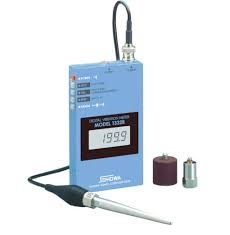
VIBRATION DIGITAL METER - SHOWA 1332B

SHOWA

view
x
Vibration measurement for blowers used in automotive coating after drying. To determine the electromagnetic valve actuation condition. Defect inspection of machine tools. Frequency Range (Hz) Acceleration : 5 to 10,000 (+/-1 dB) and Displacement: 10 to 1000 (1 dB)
Buy Now
image description

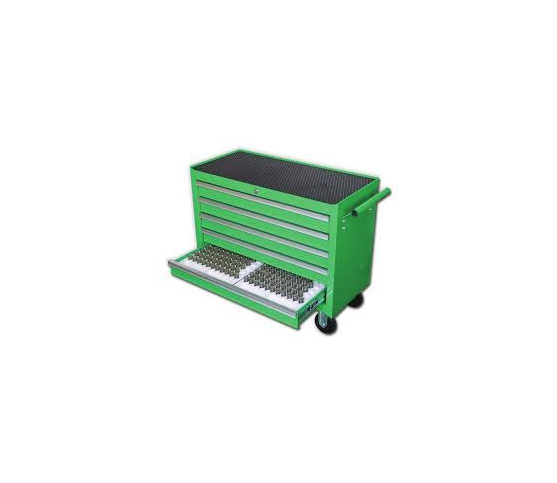
PIN GAUGE CABINET

SK Niigata Seiki

view
x
image description

PIN GAUGES - INDIVIDUAL

SK Niigata Seiki

view
x
The pin shape according to fixed size precisely. Measure and inspect the diameter of small holes, A test bar for geometric deviations measurements. Tolerance : +/- 0.001 or 0.0005mm can be achieve. Made in Japan Let us know what sizes you need.
Buy Now
image description

PIN GAUGE SET

SK Niigata Seiki

view
x

Precision Inspection with a Pin Gauge Set

In high-stakes manufacturing, "close enough" never passes inspection. To ensure parts fit together perfectly, machinists rely on a pin gauge set. These tools provide the most reliable way to check small hole diameters and tolerances.

What is a Pin Gauge Set?

A pin gauge set consists of a collection of hardened steel cylinders. Each pin has a very specific, calibrated diameter. Manufacturers usually offer these in "plus" or "minus" tolerances. A "plus" set is slightly larger than the nominal size, while a "minus" set is slightly smaller to ensure it fits the intended hole.

Why Every Machine Shop Needs One

Small holes are difficult to measure with calipers or micrometers. A pin gauge offers a "Go/No-Go" test. If the "Go" pin fits and the "No-Go" pin does not, your part meets the required specifications. This method is fast, repeatable, and reduces human error during inspection.

[Image showing a pin gauge being used to check a hole diameter]

How to Maintain Accuracy

To keep your pin gauge set in top condition, follow these simple rules:

  • Cleanliness: Always wipe pins with a lint-free cloth before and after use.

  • Lubrication: Apply a light coat of anti-rust oil to prevent corrosion.

  • Proper Handling: Never force a pin into a hole. If it doesn't slide in smoothly, the hole is likely undersized.

  • Organized Storage: Always return pins to their marked slots to avoid size confusion.

Conclusion

Investing in a quality pin gauge set improves your quality control process. It gives you the confidence that every part you produce matches the engineering drawing. Whether you work in aerospace, automotive, or medical device manufacturing, these pins are essential for success.

STEEL AA SERIES Sub-zero treatment (Cryogenic hardened) Tolerance +/- 0.8µm Range from 0.06mm to 20mm in step of 0.01mm Hardness HV650
Buy Now
image description

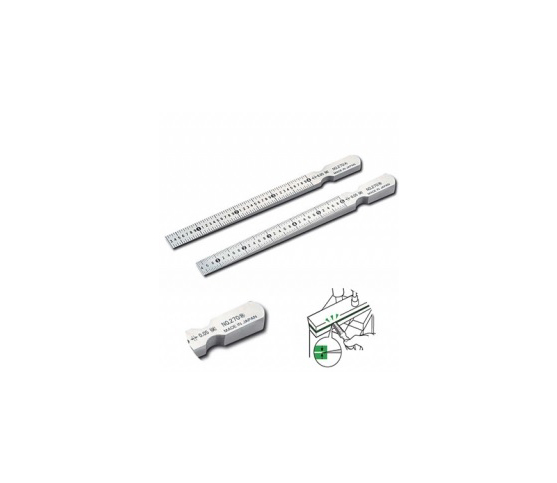
Stainless Steel Thickness Gage

SK Niigata Seiki

view
x
image description

Circular Taper Gauges - TPG-710

SK Niigata Seiki

view
x
image description

DIGITAL S-LINE TEST INDICATOR (IP65)

SK Niigata Seiki

view
x
FEATURES
  • IP65 rating electronic digital test indicator. Electronics are protected against dust and water.
  • The display has both digital and analog display for easy reading
  • Display rotates 360° for setting zero
  • MIN, MAX measurement function
  • Measuring direction (+or -) switching function
  • Preset function
  • Auto power off function (after 2 hrs.)
  • Selectable minimum reading display: 0.01mm/0.001mm
POWER
  • One CR2032 (Lithium) battery included for testing
ACCESSORIES
  • φ 8mm dove tail stem
Buy Now
image description

Multiple Step Gauge (Special Shape)

SK Niigata Seiki

view
x