CATEGORY:

All Categories

image description

TEMPERATURE AND HUMIDITY DATA LOGGER

TECPEL

view
x
image description

THERMOCOUPLE ROLLER PROBE

TECPEL

view
x
image description

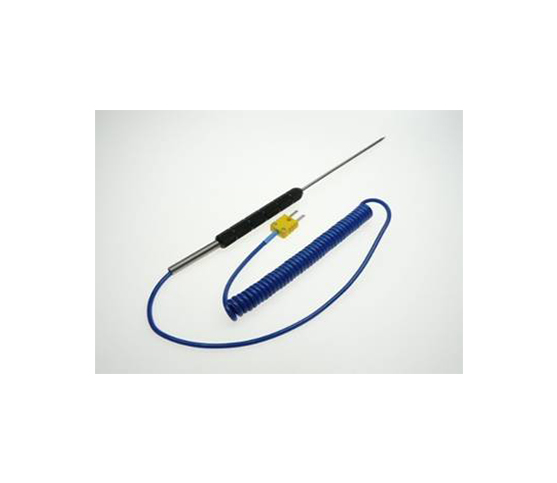
THERMOCOUPLE IMMERSION PROBE

TECPEL

view
x
image description

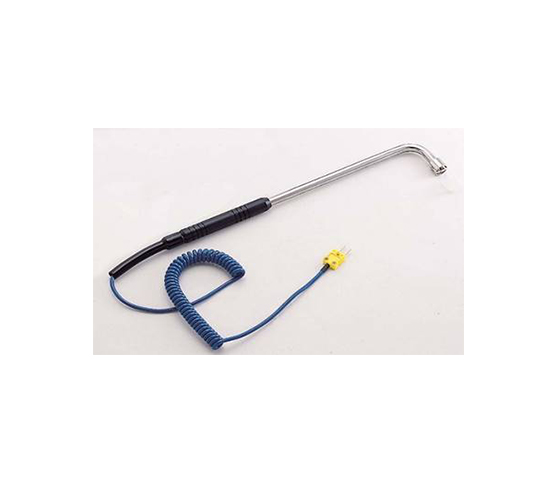
THERMOCOUPLE SURFACE PROBE

TECPEL

view
x
image description

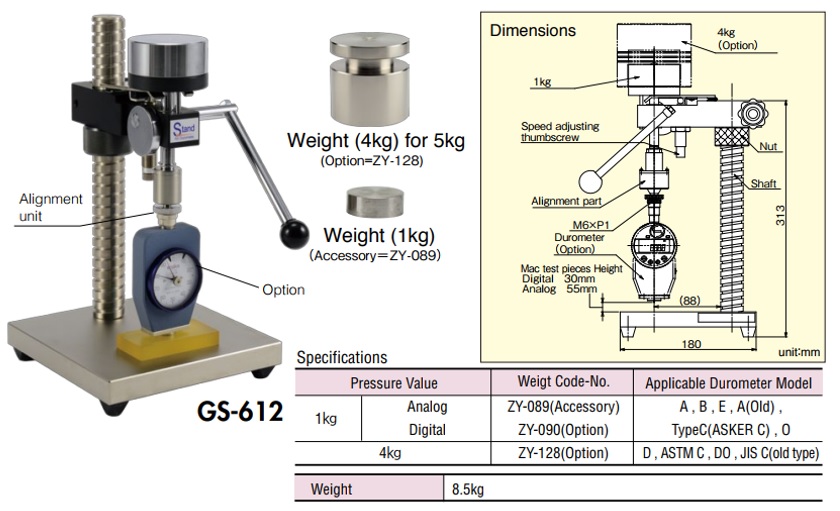
DUROMETER MANUAL STAND GS-615

TECLOCK

view
x
This supplementary device assists hardness measurements by using hydraulics to provided a constant load. Measurements can be taken with a roughly 1kg load for type A Durometer and a roughly 5kg (using optional 4kg weight (ZY-046) load for type D Durometers. Teclock made in Japan
Buy Now
image description

ANEMOMETER

TECPEL

view
x
image description

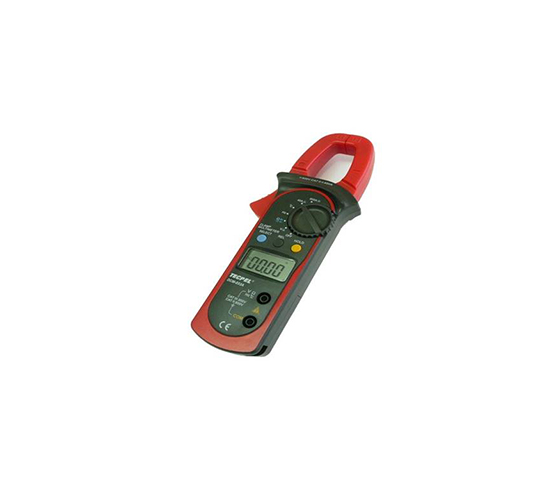
CLAMP METER - DIGITAL

TECPEL

view
x
image description

SURFACE ROUGHNESS COMPARATOR

SPI

view
x

Mastering Quality Control: The Surface Roughness Comparator

In precision manufacturing, "smooth enough" is rarely sufficient. Achieving the correct finish is vital for part functionality and longevity. This is where the surface roughness comparator becomes an essential tool on the shop floor.

What is a Surface Roughness Comparator?

A surface roughness comparator is a reference standard used to estimate the texture of a machined surface. It consists of a plate featuring several segments. Each segment represents a specific roughness value, typically measured in $Ra$ (Arithmetical Average) or $Rz$ (Mean Roughness Depth).

How to Use It Effectively

Using a comparator is straightforward yet highly effective. It relies on two primary methods:

  1. Visual Inspection: You place the comparator next to your workpiece under good lighting. By comparing the light reflection and pattern, you can estimate the finish.

  2. Tactile Comparison: This is often more accurate. You run a fingernail across the workpiece and then across the comparator segments. If the "feel" matches, the roughness is likely within that specific range.

Why Your Shop Needs One

While digital profilometers provide exact data, they are expensive and delicate. Comparators offer a cost-effective alternative for quick checks. They help operators monitor tool wear and ensure parts meet engineering specifications before moving to the next production stage.

Using these tools reduces scrap rates. It also ensures consistency across different batches. Whether you are milling, turning, or grinding, a comparator provides a reliable baseline for quality.

Conclusion

A surface roughness comparator is a small investment that yields significant results. It bridges the gap between raw machining and precision engineering. By integrating these into your workflow, you maintain high standards and keep customers satisfied.

The scale conforms to it specifications for visual and tactile inspection only Flat lapping, reaming, grinding, horizontal milling & vertical milling Ra 2 to 500 µm surface finish, nickel plating SPI
Buy Now
image description

PEE DEE - THREAD MEASURING WIRE SP98-370-0

SPI

view
x
image description

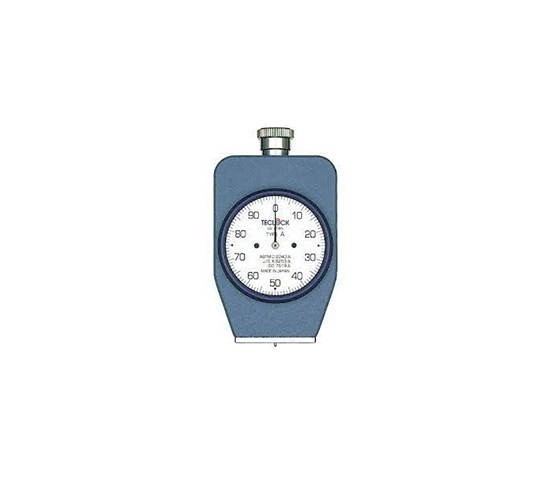
Durometer Hardness Tester Shore A

TECLOCK

view
x

Measuring Precision: The Durometer Hardness Tester Shore A

Accuracy defines success in rubber and plastic manufacturing. To ensure material consistency, engineers rely on the Durometer Hardness Tester Shore A. This essential device measures the indentation hardness of soft elastomers and flexible materials.

What is Shore A Hardness?

The Shore A scale specifically targets softer materials. This includes items like rubber bands, automotive seals, and flexible PVC. The tester uses a hardened steel rod with a truncated cone point. When you press the device against a surface, it measures how deep the point penetrates.

Why Accuracy Matters

Material hardness impacts how a product performs under pressure. If a gasket is too hard, it will not seal correctly. If it is too soft, it might deform or tear. Using a Durometer Hardness Tester Shore A allows quality control teams to verify that raw materials meet exact specifications.

How to Get the Best Results

Follow these steps for a reliable reading:

  • Flat Surfaces: Ensure your sample is flat and at least 6mm thick.

  • Consistent Pressure: Apply the durometer firmly and quickly without shock.

  • Multiple Tests: Take at least five measurements at different points.

  • Temperature Control: Perform tests at standard room temperature for stability.

Choosing the Right Tool

Most modern testers feature digital displays for easy reading. These models often include a "peak hold" function. This feature captures the highest hardness value automatically. Whether you choose an analog or digital version, regular calibration is necessary to maintain precision.

By integrating Shore A testing into your workflow, you eliminate guesswork. You protect your reputation and ensure every component performs as designed.

Compliance with JIS K 6301 standard was established in 1950 and had sustained base of rubber industry of our country but was discontinued in 1998 because it did not comply with ISO and also JIS K 6253 was prescribed on its behalf. However, It had been used for 60 years as “Rubber hardness tester” and even now it is used as test data between certain parties in charge with mutual consensus although movement to new JIS has progressed
Buy Now
image description

DUROMETER

TECLOCK

view
x

Mastering Material Hardness with a Professional Durometer

Accuracy is the foundation of quality control in the rubber and plastics industry. Therefore, a high-quality Durometer serves as an essential tool for every technician. This device measures the indentation hardness of various materials, from soft elastomers to hard polymers. By providing instant, repeatable results, it ensures your products meet exact engineering specifications.

How Does a Durometer Work?

A durometer functions by applying pressure to a material through a calibrated spring and a specialized indenter. Specifically, the depth of the indentation determines the hardness value on the Shore scale. Higher numbers represent harder materials, while lower numbers indicate softer, more flexible substances. Furthermore, this non-destructive testing method allows you to verify quality without damaging your final product.

Choosing the Right Shore Scale

The most common scales include Shore A and Shore D. Indeed, selecting the correct scale is vital for accurate data collection.

Scale Type Ideal Applications
Shore A Soft rubber, elastomers, and flexible PVC.
Shore D Hard plastics, epoxies, and rigid polymers.
Shore OO Extremely soft gels and open-cell foam.
To measuring hardness by pushing by hand, durometer to work piece form the top and read value by making pressed surface adhere to durometer. Determine by Shore A, B ,C , D, 00, 0 etc. With & without maximum pointer

Key Benefits for Your Workflow

Moreover, modern digital durometers offer advanced features like data memory and peak-hold functions. By using these, you can capture the maximum hardness reading instantly. Additionally, the ergonomic design allows for comfortable use during long inspection shifts. These tools help you maintain ISO standards and prevent the use of sub-par raw materials.

Boost Your Quality Assurance

In conclusion, don't leave your material properties to guesswork. A reliable Durometer provides the scientific certainty your customers demand. Ultimately, it is a small investment that prevents costly production errors. Upgrade your testing lab today with the industry's most trusted hardness testers.

Buy Now
image description

DIGITAL DUROMETER

TECLOCK

view
x