CATEGORY:

Dimensional Measuring Instruments

Filter results by:
image description

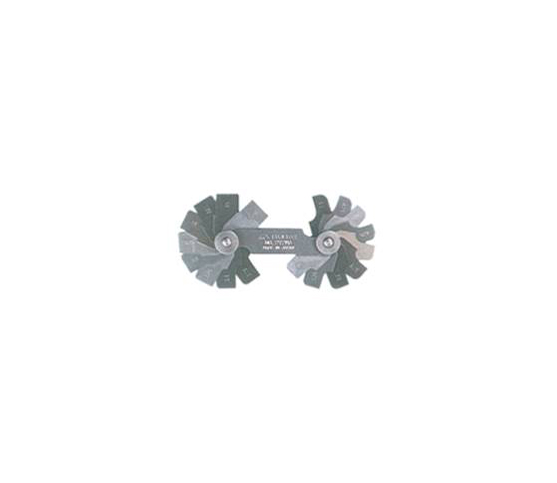
RADIUS GAGES (Tool Steel)

FUJI TOOL

view
x

Ultimate Radius Gages (Tool Steel): Essential Profile Inspection Tools

Machining curved corners and rounded profiles demands total accuracy. Mismatched radii lead to weak stress points, poor part fitment, and costly scrap rates. Inspectors need quick, reliable methods to measure internal and external curves directly on the shop floor. Radius Gages (Tool Steel) offer the ideal inspection solution, providing durable reference blades for fast, accurate profile checks.

What Are Radius Gages (Tool Steel)?

Tool steel radius gages are precision-ground measuring tools with convex and concave profiles. Manufacturers craft these leaves from high-grade tool steel to resist bending, chipping, and wear. Each leaf features stamped radius dimensions. Machinists place the blades against curved workpieces to verify exact radii through simple visual light tests.

Key Benefits for Precision Machining

Using durable tool steel radius gages improves quality control workflows:

  • Exceptional Durability: Premium tool steel resists abrasive metal wear, preserving accurate blade profiles over long inspection cycles.

  • Dual-Profile Checking: Individual leaves check both internal fillets and external rounded corners easily.

  • Wide Size Selection: Sets cover broad ranges of fractional, decimal, or metric sizes in a single compact holder.

  • Clear Markings: Stamped size dimensions eliminate operator confusion and speed up routine part checks.

How to Use Tool Steel Radius Gages

Follow four basic steps to verify curved part profiles accurately:

  1. Clean the Workpiece: Wipe cutting oil, dust, and metal filings off the workpiece curve with a microfiber cloth.

  2. Select the Target Leaf: Choose a gage leaf matching your target drawing specification.

  3. Align Against the Curve: Press the concave or convex blade profile firmly against the workpiece surface.

  4. Inspect Light Gaps: Hold the assembly toward a light source to check for gaps along the curved edge.

Essential Care and Maintenance

Protect your tool steel gage set with simple care practices. Wipe each leaf clean with a dry cloth after every shift. Apply a thin film of anti-rust oil before storing the leaves inside their protective vinyl sleeve. Store the set in a dry cabinet away from high humidity to prevent rust.

Investing in Radius Gages (Tool Steel) speeds up inspection routines, eliminates profile errors, and maintains consistent manufacturing quality across every production project.

Avaliable for Inch or Metric
Buy Now
image description

RADIUS GAGES (Stainless steel)

FUJI TOOL

view
x

Best Radius Gages (Stainless Steel): Corrosion-Resistant Profile Checks

Verifying curved corners and rounded edges requires total accuracy during part production. Mismatched radii create structural weaknesses, poor component fitment, and unexpected assembly delays. Quality teams need reliable inspection tools that withstand harsh workshop environments without rusting. Radius Gages (Stainless steel) provide the perfect inspection solution, offering corrosion-resistant reference blades for fast, accurate profile checks.

What Are Stainless Steel Radius Gages?

Stainless steel radius gages are precision-ground inspection tools featuring convex and concave arc profiles. Manufacturers produce these leaves from premium stainless steel alloys to resist rust, moisture, and chemical corrosion. Each blade contains clearly etched radius dimensions. Machinists place the leaves directly against curved surfaces to confirm exact geometry visually.

Key Benefits for Precision Manufacturing

Using stainless steel radius gages upgrades quality control workflows across busy shop environments:

  • Superior Rust Resistance: Stainless steel construction resists harsh cutting coolants, moisture, and acidic shop environments.

  • Dual Curved Testing: Individual leaves verify both internal corner fillets and external rounded edges easily.

  • High Visual Contrast: Laser-etched size markings remain legible through years of continuous shop floor use.

  • Versatile Size Ranges: Complete sets cover broad selections of fractional, decimal, or metric sizes in one compact pouch.

How to Use Stainless Steel Radius Gages

Verify workpiece curves accurately by following four straightforward steps:

  1. Clean the Test Surface: Wipe coolant, dust, and metal shavings off the curved profile with a microfiber cloth.

  2. Select the Matching Leaf: Choose a gage blade corresponding to your technical drawing specification.

  3. Position Against the Curve: Fit the concave or convex profile snugly against the target workpiece surface.

  4. Check for Light Gaps: Hold the assembly toward a bright light to detect light leaks along the curved contact line.

Essential Maintenance Habits

Keep your stainless steel gage set in top condition with simple care routines. Clean each leaf with a dry lint-free cloth after every shift. Although stainless steel resists corrosion, storing the set inside its vinyl storage case keeps ambient shop grit off precision edges.

Deploying Radius Gages (Stainless steel) speeds up profile checks, prevents corrosion damage, and ensures reliable quality control across every production run.

Range : 0.2 - 50mm or 1/64" - 2" Checking Convex and Concave radius Used for inapection, layout, pattern making and machine jobs. Stainless Steel with Satin-chrome finished Fuji Tool
Buy Now
image description

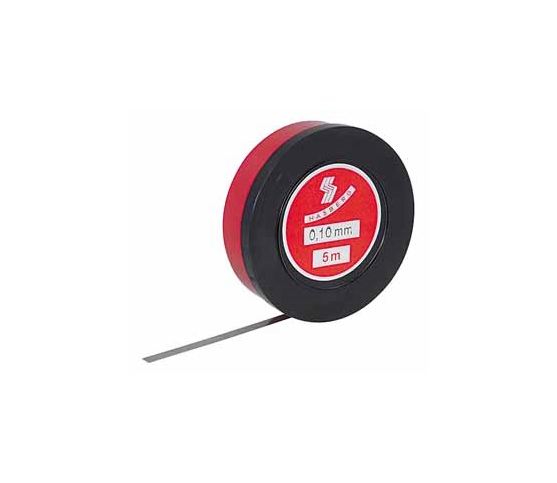
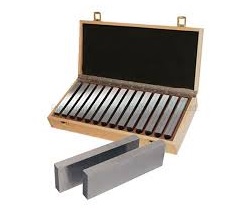
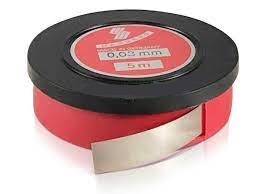
Precision Thickness Strip or Shim Foil

HASBERG

view
x
Size : 0.005 to 2.00mm High Carbon and Stainless Steel avaliable Thinkness Tolerance T3 Band steel made from carbon steel or spring band steel is versatile in application. Flexible spring band steel, for example, was required for manufacturing springs, as its name implies. Band steel and spring band steel products are widely used in industrial production in general.
Buy Now
image description

Cast Iron Vee Block

ERON

view
x

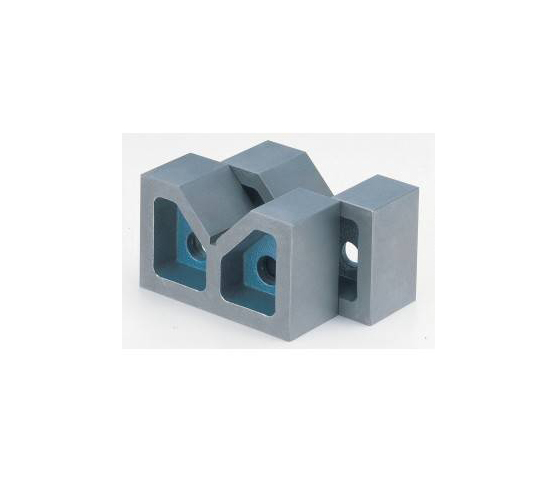
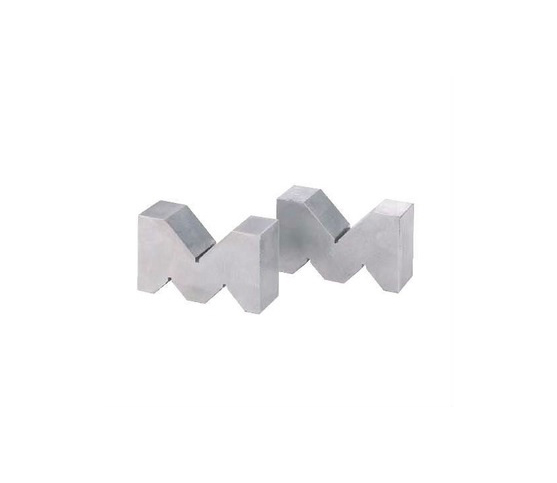
Why Your Workshop Needs a Cast Iron Vee Block for Precision

Precision is the heartbeat of every machine shop. When you work with cylindrical parts, stability is your biggest challenge. A Cast Iron Vee Block provides the perfect solution for holding round workpieces during inspection and machining. These tools ensure your measurements remain accurate every single time.

Exceptional Durability and Stability

Most engineers prefer cast iron over other materials. High-quality, seasoned cast iron offers superior vibration damping. This material resists distortion even under heavy loads. Unlike steel, cast iron maintains its shape during temperature shifts. This thermal stability makes it ideal for long-term use in busy workshops.

Key Features of Professional Vee Blocks

Standard Vee Blocks often come in matched pairs. Manufacturers number these pairs to guarantee identical heights.

  • 90-Degree Channels: These allow for perfect centering of shafts and pipes.

  • Precision Grinding: Every surface is ground square and parallel to tight tolerances.

  • Secure Clamping: Many sets include "U" clamps to hold the workpiece firmly.

Common Applications in Engineering

You will find these blocks in various departments. Quality control teams use them with dial indicators to check for roundness. Machinists rely on them for layout work or drilling operations. Whether you are milling a keyway or inspecting a spindle, the Vee block provides a reliable datum.

Investing in a high-grade tool improves your workflow. It reduces errors and saves time on complex setups. If you want repeatable results, choose a seasoned cast iron model for your next project.

Material FC250 heat treatmented Machined Finish 0.05/100mm Ground / Polished Finish 0.03/100mm 90° vee centered, square and parallel with base.
Buy Now
image description

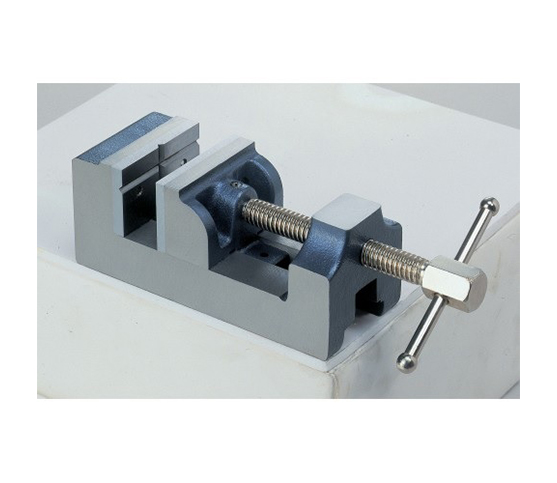
Drill Press Vises

ERON

view
x
image description

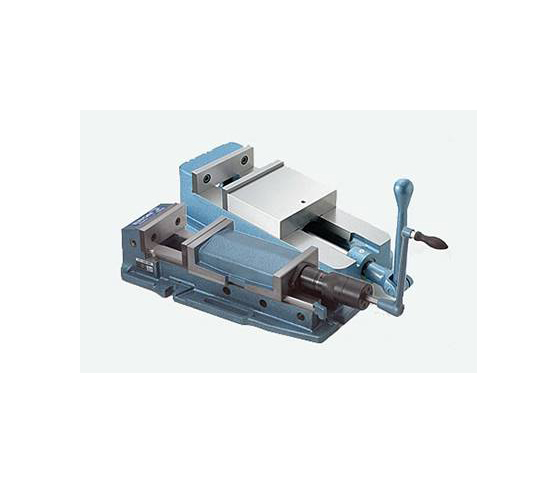
TIGHT HYDRAULIC MACHINE VISES

ERON

view
x
image description

Clamping Kits

ERON

view
x
image description

Precision Parallel Bar

ERON

view
x
image description

Vee Block

ERON

view
x
image description

Pinhole Detector

DEFELSKO

view
x

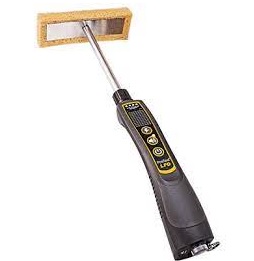
Mastering the Pinhole Detector: Essential Protective Coating Inspection

Microscopic flaws in protective coatings cause early substrate corrosion and structural failures. Tiny voids, air bubbles, and thin spots allow moisture and aggressive chemicals to attack underlying metal workpieces. Coating inspectors need fast, non-destructive tools to locate these hidden defects before deploying equipment. A Pinhole Detector provides an exceptional testing solution, detecting invisible coating flaws quickly across industrial pipelines, storage tanks, and structural steel.

What Is a Pinhole Detector?

A pinhole detector is a specialized non-destructive testing instrument used to inspect non-conductive coatings over conductive substrates. Low-voltage wet sponge units detect holidays and pinholes in thin coatings up to 500 microns. High-voltage spark testers locate flaws in thicker protective linings. When the sensor passes over a void, electricity flows through the moist path to the metal substrate, triggering an immediate audible alarm.

Key Benefits for Quality Control

Integrating a pinhole inspector into your quality assurance routine provides clear operational advantages:

  • Non-Destructive Testing: Identifies microscopic coating defects without damaging the surrounding protective layer.

  • Instant Alarm Feedback: Clear visual signals and loud audio alarms alert operators to exact defect locations instantly.

  • Versatile Inspection Modes: Low-voltage wet sponge and high-voltage spark options cover broad coating thickness ranges.

  • Prevents Costly Corrosion: Catching pinholes early prevents premature substrate rust and expensive field repairs.

Step-by-Step Operation Guide

Inspect protective coatings accurately by following four simple steps:

  1. Connect Ground Cable: Attach the ground clamp securely to an unpainted section of the conductive substrate.

  2. Moisten Sponge Wand: Wet the probe sponge with tap water and a wetting agent for low-voltage testing.

  3. Pass Sensor Over Surface: Sweep the wet sponge or high-voltage probe smoothly across the coated surface at a steady pace.

  4. Mark Detected Flaws: Circle defect spots immediately when the alarm sounds to prepare the surface for repair.

Essential Care and Maintenance

Maintain testing accuracy with simple daily routines. Wash the probe sponge with clean water after every shift to remove chemical residue. Inspect ground cables and probe connectors for frayed wiring before testing live surfaces. Store the instrument inside a dry carrying case to protect sensitive electronics.

Deploying a Pinhole Detector eliminates coating inspection guesswork, stops corrosion early, and maintains high industrial quality standards across every coating project.

Easy-to-use with bright, multi-function LEDs Ready to measure — both kits come with everything needed for testing Audibly and visibly alerts when flaws are detected Lightweight, ergonomic design Durable : Rugged, environmentally sealed enclosure Weatherproof, dustproof and shockproof — meets or exceeds IP65 Two year warranty Accurate : Automatic self-test verifies voltage calibration Regulated voltage outputs will not drop under load Long Form Certificate of Calibration included with each instrument GroundSenseTMvisibly reassures the user that the instrument is properly grounded Conforms to international standards including ISO, ASTM and NACE
Buy Now
image description

Calibration Step Blocks

DEFELSKO

view
x
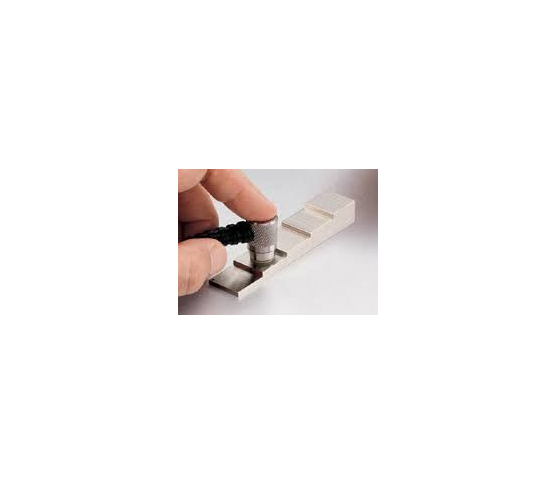
Composition - 1018 steel
  • available in metric and imperial units
  • metric units: (2.5, 5, 7.5, 10 and 12.5 mm steps)
  • imperial units: (100, 200, 300, 400 and 500 mil steps)
  • metric accuracy ±0.02 mm
  • imperial accuracy ±1 mil
All Certified Step Blocks are supplied with a certificate of calibration showing traceability to NIST/NPL. 
Buy Now
image description

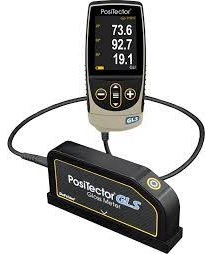
Digital Gloss Meter

DEFELSKO

view
x

Master Your Surface Finish Quality

A perfect finish defines the value of your product. You cannot rely on the naked eye to judge consistent shine across a production run. Lighting changes and human fatigue create variations that damage your brand. The Gloss Meter provides the objective, digital data you need to maintain perfection. It measures specular reflection with scientific accuracy on every part you produce.

Why Choose a Digital Gloss Meter?

Visual inspection remains a guessing game. A digital meter uses a standardized light source and a photo detector to provide a numerical value. This ensures your "high gloss" remains the same from Monday to Friday.

  • Instant GU Readings: Get a precise Gloss Unit value in less than two seconds.

  • Multi-Angle Flexibility: Choose 20°, 60°, or 85° angles to test matte or high-mirror finishes.

  • Automatic Calibration: The internal software checks against a reference tile to ensure constant accuracy.

  • Portable Design: This handheld tool fits into a pocket for quick checks on the factory floor.

Essential for Every Industry

Automotive painters, furniture makers, and stone polishers all trust the Gloss Meter. It works perfectly on metals, plastics, and coated papers. You can store hundreds of readings in the internal memory for quality audits. This feature allows you to track trends and identify coating issues early. The rugged housing protects the sensitive optics from dust and light impact in busy workshops.

Accuracy You Can Count On

Stop guessing about the quality of your coatings. This meter offers a professional solution for a fraction of the cost of lab analysis. It empowers you to meet customer specifications with total confidence.

Invest in a Gloss Meter today. Experience the power of objective shine measurement.

Gloss Meter - PosiTector GLS Portable Gloss Measurement for all surface finishes Conforms to National and International standards including ISO and ASTM Geometries models (60°) or (20° & 60°) or (20°,60°,85°) Haze surfaces measure enable for models (20° & 60°) or (20°,60°,85°) only Measurement Unit: GU (Gloss) and % (Reflectance) Multi-purpose Body for all probes
Buy Now