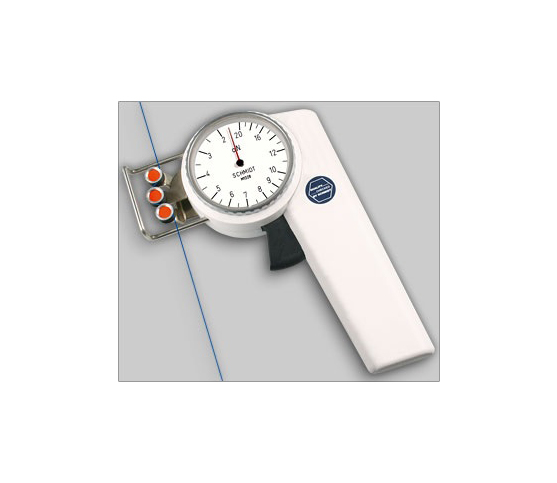
ZF2 Tension Meter
Fine Wire Control: The Technician’s ZF2 Tension Meter Guide
Uneven tension during fine wire drawing and textile processing leads to frequent thread snapping and costly production delays. Relying on manual feel allows tension shifts to pass unnoticed, creating inconsistent spooling and poor product finish. The ZF2 Tension Meter resolves this manufacturing bottleneck by providing precise mechanical tension readings for low-tension processing lines.
This guide explores how integrating a ZF2 tension meter elevates quality control across production facilities.
What Is the ZF2 Tension Meter?
The ZF2 Tension Meter is a compact, lightweight mechanical measuring instrument designed by Hans Schmidt for low-tension applications.
Featuring a classic three-roller setup and an easy-to-read analog dial, this handheld meter monitors tension on delicate moving or stationary filaments. Machine operators use this specialized gauge across textile, coil winding, and optic fiber manufacturing lines to maintain strict process limits effortlessly.
Key Operational Advantages
Upgrading to a ZF2 tension meter provides clear technical benefits for quality assurance teams:
-
Low Tension Range: Accurately measures delicate tension forces from 1 cN up to 100 cN without stretching thin materials.
-
Compact Handheld Design: Fits easily into tight machine spaces for fast spot-checks along active production lines.
-
Miniature Ball-Bearing Rollers: Smooth V-grooved rollers guide delicate fibers cleanly without causing surface friction or fraying.
-
Mechanical Reliability: Operates continuously without battery power, delivering instant, dependable readings in harsh shop environments.
Common Workshop Applications
Process technicians and quality control inspectors rely on the ZF2 tension meter for vital daily checks:
-
Fine Wire Coil Winding: Monitor copper wire tension during precision transformer and micro-solenoid coil winding.
-
Textile Filament Processing: Verify yarn and synthetic fiber tautness on high-speed weaving and knitting machinery.
-
Optic Fiber Production: Ensure delicate glass fibers maintain safe tension levels during high-speed drawing.
-
Carbon Fiber Processing: Audit carbon tow tension during composite material weaving and prepreg manufacturing.
How to Measure Tension in 4 Simple Steps
Follow these basic steps to execute accurate tension checks:
-
Check Zero Position: Hold the meter vertically and verify that the pointer aligns with the zero mark.
-
Engage Guide Rollers: Press the roller shifting trigger to open the outer guide rollers.
-
Capture Process Line: Place the moving wire or thread between the rollers and release the trigger gently.
-
Record the Reading: Read the pointer position on the clear dial scale and log your measurement.
Final Thoughts
The ZF2 Tension Meter turns delicate low-tension checks into fast, repeatable monitoring routines. By preventing material breakage and spooling defects, this dependable metrology tool protects product quality and reduces costly machine downtime.
7 Tension ranges from 1 - 5 cN to 10 - 100 cN Economical mechanical tension meter for checking fibres, threads and fine wires with low tensions up to max. 100 cN Most popular tension meter in the textile industry with analog display for low tensions Slim filament guide with small guide rollers for limited access space