
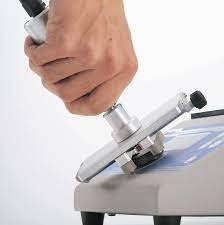
Torque Angle Measurement
Why You Need Torque Angle Measurement (TAM)
In many critical applications—especially in automotive, aerospace, and heavy machinery simply applying a specific torque isn't enough to guarantee the correct clamping force on a bolted joint. That's where Torque Angle Measurement (TAM) becomes essential. TAM is a fastening strategy that involves applying a specified torque (snug torque) followed by turning the fastener through a specified angle.
This two stage process accounts for factors like joint relaxation, friction variations, and material inconsistencies that simple torque applications often ignore. By measuring the angle of rotation after initial snugging, the fastener stretches to achieve the desired preload the critical tension that holds the joint together. This method delivers a much more reliable and consistent clamping force than torque control alone.
The Science Behind Reliability
TAM provides a significant advantage over methods that rely only on torque. When you measure only torque, friction under the bolt head and in the threads can absorb up to 90% of the applied energy. This friction means that a relatively small portion of the energy actually contributes to the vital fastener stretch.
Using the angle method, however, directly controls the elongation of the bolt. Once the fastener is snug (achieving a firm seat), any subsequent rotation results in predictable stretching. This stretching is what creates the clamping force. TAM effectively minimizes the impact of friction variables, allowing you to achieve the correct preload with greater accuracy. This ensures maximum joint integrity and significantly reduces the risk of loosening or failure under stress.
To implement TAM, you require specialized tools, typically digital torque wrenches or angle transducers. These instruments accurately track both the initial torque and the subsequent rotation angle. Upgrade your fastening process today. Guarantee the longevity and safety of your assemblies with precise Torque Angle Measurement.