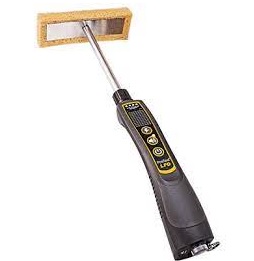
Pinhole Detector
Mastering the Pinhole Detector: Essential Protective Coating Inspection
Microscopic flaws in protective coatings cause early substrate corrosion and structural failures. Tiny voids, air bubbles, and thin spots allow moisture and aggressive chemicals to attack underlying metal workpieces. Coating inspectors need fast, non-destructive tools to locate these hidden defects before deploying equipment. A Pinhole Detector provides an exceptional testing solution, detecting invisible coating flaws quickly across industrial pipelines, storage tanks, and structural steel.
What Is a Pinhole Detector?
A pinhole detector is a specialized non-destructive testing instrument used to inspect non-conductive coatings over conductive substrates. Low-voltage wet sponge units detect holidays and pinholes in thin coatings up to 500 microns. High-voltage spark testers locate flaws in thicker protective linings. When the sensor passes over a void, electricity flows through the moist path to the metal substrate, triggering an immediate audible alarm.
Key Benefits for Quality Control
Integrating a pinhole inspector into your quality assurance routine provides clear operational advantages:
-
Non-Destructive Testing: Identifies microscopic coating defects without damaging the surrounding protective layer.
-
Instant Alarm Feedback: Clear visual signals and loud audio alarms alert operators to exact defect locations instantly.
-
Versatile Inspection Modes: Low-voltage wet sponge and high-voltage spark options cover broad coating thickness ranges.
-
Prevents Costly Corrosion: Catching pinholes early prevents premature substrate rust and expensive field repairs.
Step-by-Step Operation Guide
Inspect protective coatings accurately by following four simple steps:
-
Connect Ground Cable: Attach the ground clamp securely to an unpainted section of the conductive substrate.
-
Moisten Sponge Wand: Wet the probe sponge with tap water and a wetting agent for low-voltage testing.
-
Pass Sensor Over Surface: Sweep the wet sponge or high-voltage probe smoothly across the coated surface at a steady pace.
-
Mark Detected Flaws: Circle defect spots immediately when the alarm sounds to prepare the surface for repair.
Essential Care and Maintenance
Maintain testing accuracy with simple daily routines. Wash the probe sponge with clean water after every shift to remove chemical residue. Inspect ground cables and probe connectors for frayed wiring before testing live surfaces. Store the instrument inside a dry carrying case to protect sensitive electronics.
Deploying a Pinhole Detector eliminates coating inspection guesswork, stops corrosion early, and maintains high industrial quality standards across every coating project.
Easy-to-use with bright, multi-function LEDs Ready to measure — both kits come with everything needed for testing Audibly and visibly alerts when flaws are detected Lightweight, ergonomic design Durable : Rugged, environmentally sealed enclosure Weatherproof, dustproof and shockproof — meets or exceeds IP65 Two year warranty Accurate : Automatic self-test verifies voltage calibration Regulated voltage outputs will not drop under load Long Form Certificate of Calibration included with each instrument GroundSenseTMvisibly reassures the user that the instrument is properly grounded Conforms to international standards including ISO, ASTM and NACE