Brand:

SCHMIDT

Filter results by:
image description

Belt Tension Meter RTM-400

SCHMIDT

view
x

Why the Belt Tension Meter RTM-400 is Essential

Proper belt tension is the heartbeat of industrial efficiency. Without it, your machinery faces slippage, excessive wear, or sudden failure. The Belt Tension Meter RTM-400 provides the most reliable way to monitor these levels. This compact, handheld device uses acoustic technology to measure tension with surgical precision.

Accuracy You Can Trust

Maintaining optimal tension prevents premature bearing wear and tear. The RTM-400 delivers quick, repeatable readings in Hertz or Newtons. Operators simply tap the belt and hold the sensor nearby. The device instantly displays the data on a clear, backlit LCD screen.

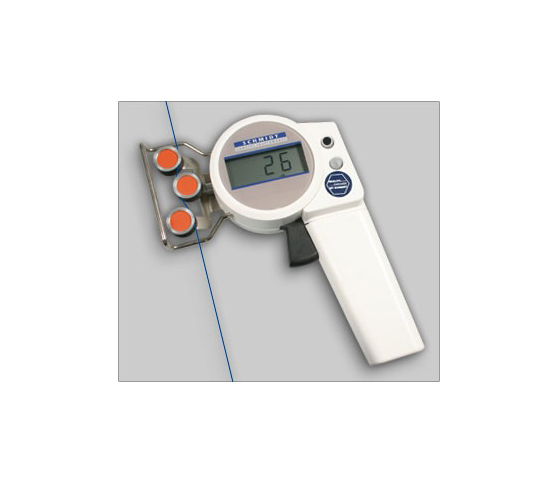
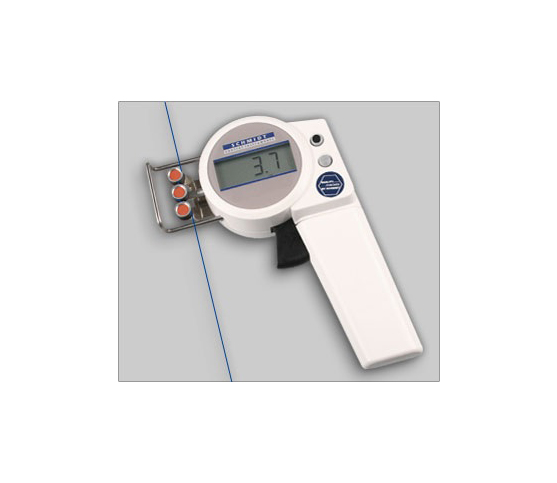
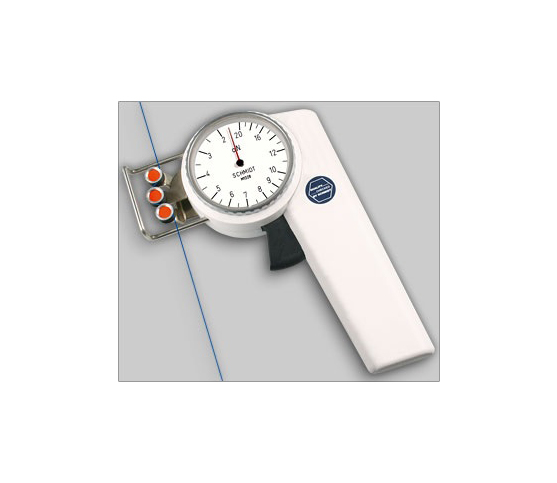
t tension meter (Trummeter) to dertermine the static tension of flat, V and ribbed belts or pretensioned ropes Measuring range: 10 - 800 Hz *The readings can be displayed as frequency (Hz) or strand force (N or lbf) *The belt tension meter includes a display unit as well as a plug in probe for one-hand operation and a probe with cable for limited access space *Measuring principle: red LED light source to determine vibration in Hz * Readings unaffected by nearby magnetic fields or noise *For determinating the spring force in Newton, 2 parameters are needed. Thereby the following restrictions are obtained: - free strand length 9.99 m - belt mass up to 9.999 kg/m * Display menu in several user selectable languages * Manufacturer`s Calibration Report is included
Buy Now
image description

CTM Tension Meter

SCHMIDT

view
x
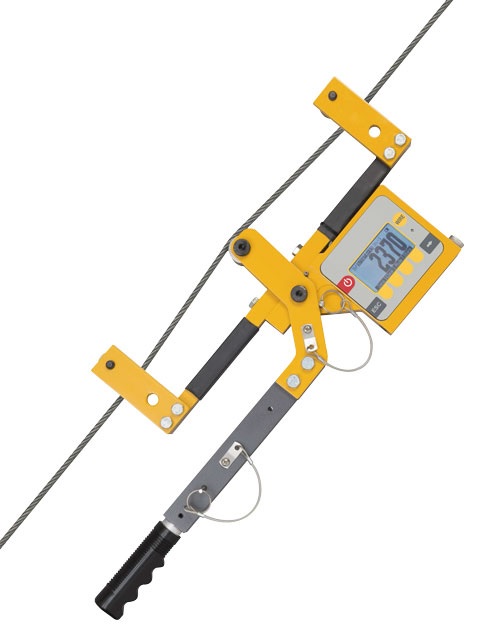
Tension ranges up to 9 kN and 45 kN Electronic wire rope tension meter to determine the tension of pretensioned, non-moving ropes, cables, wires, overhead lines, etc. up to max. 25.4 mm (1 inch) Ø. This hand-held unit is used for control and comparision measurement of pretensioned, non running ropes. Tension meter with large easy to read LCD display
Buy Now
image description

DTX Tension Meter

SCHMIDT

view
x
Tension Meter DTX 12 Tension ranges available: from 1 - 200 cN up to 0.6 - 60 daN Application: Wire and textile industry Field of use: for fibres up to 60.000 tex or Cu wire Ø 3 mm Feature:
  • Professional unit with additional functions
  • 5 Memory modes with statistics
  • Large internal memory
  • USB interface , Wi-Fi (optional)
Buy Now
image description

DX2-EDM Tension Meter

SCHMIDT

view
x

Wire EDM Precision: DX2-EDM Tension Meter Guide

Incorrect wire tension on Electrical Discharge Machining (EDM) equipment causes wire breakage, poor surface finishes, and inaccurate cut geometries. Relying on guesswork during wire threading leads to costly machine downtime and scrapped workpieces. The Tension Meter resolves this machining challenge by providing precise tension readings for EDM brass wire setups.

This guide explores how integrating a DX2-EDM tension meter elevates cutting accuracy across toolroom operations.

What Is the DX2-EDM Tension Meter?

The Tension Meter is a mechanical tension gauge manufactured by Hans Schmidt specifically for wire EDM applications.

Featuring specialized guide rollers with deep V-grooves, this instrument clips onto running or stationary EDM wire effortlessly. Machinists use this compact meter to calibrate wire transport systems, ensuring stable spark gaps and uniform discharge cutting performance.

Key Operational Advantages

Upgrading to a DX2-EDM tension meter provides clear technical benefits for EDM operators:

  • EDM-Specific Roller Design: Deep-grooved ball-bearing rollers hold EDM brass wire securely during fast measurement checks.

  • Built-In Wire Guide Attachment: Front alignment guide allows effortless single-handed attachment onto tight wire paths.

  • Shock-Protected Movement: Mechanical dial mechanism absorbs shop floor impacts while maintaining high measuring accuracy.

  • Battery-Free Operation: Purely mechanical drive delivers reliable, continuous performance without needing electrical power.

Common Workshop Applications

Toolmakers and EDM specialists rely on the DX2-EDM tension meter for vital daily checks:

  1. EDM Wire Setup Calibration: Verify wire spool tension settings before starting long precision cutting jobs.

  2. Preventive Machine Maintenance: Inspect drive belts and wire transport rollers for tension loss across shifts.

  3. Wire Breakage Troubleshooting: Diagnose sudden wire snapping by identifying inconsistent tension spikes along the wire path.

  4. Tooling Die Manufacturing: Ensure uniform wire tension for cutting intricate press dies and punch inserts accurately.

How to Measure Tension in 4 Easy Steps

Follow these simple steps to perform accurate EDM wire tension checks:

  1. Verify Dial Zero: Hold the meter vertically and confirm the pointer rests cleanly on the zero mark.

  2. Open Roller Guide: Press the thumb lever downward to extend the outer guide rollers.

  3. Engage the Wire: Position the EDM wire between the rollers and release the thumb lever smoothly.

  4. Read the Tension: Observe the pointer value on the analog scale and adjust your EDM spool tension.

Final Thoughts

The DX2-EDM Tension Meter converts tricky EDM wire checks into quick, repeatable routines. By maintaining exact wire tension, this specialized metrology tool prevents wire breaks and guarantees flawless surface finishes.

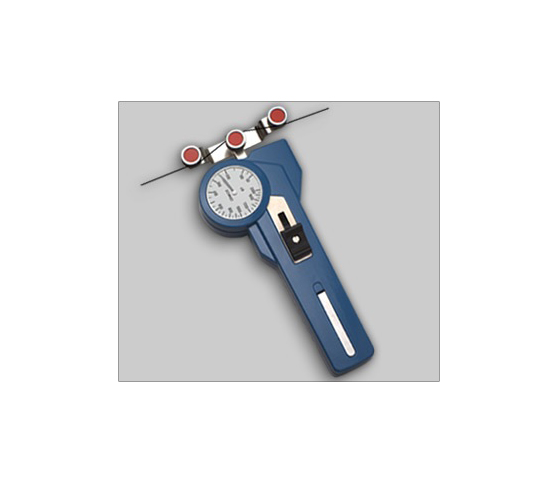
3 Tension ranges from 50 - 2000 cN to 200 - 4000 cN Mechanical tension meter for all current wire EDM machines with wire diameter approx. 0.25 mm Most popular tension meter for wire EDM machines worldwide For ideal wire tension to increase the accuracy of produced workparts and to optimize the machine delay
Buy Now
image description

DXF Tension Meter

SCHMIDT

view
x

Perfect Tension Every Time: The DXF Tension Meter Advantage

In industries like textile manufacturing and wire production, precision is everything. A slight variation in line tension can ruin an entire batch of product. The DXF Tension Meter provides the accuracy you need to maintain high-speed production without the risk of breakage or defects.

Why Precision Tension Matters

Consistent tension ensures material integrity. If the tension is too high, wires stretch or snap. If it is too low, the winding becomes loose and uneven. The DXF series offers a reliable way to monitor these forces in real-time. It helps you maintain the "sweet spot" for every material you process.

Top Features of the DXF Tension Meter

  • Easy Handling: The slim design and specialized rollers allow for effortless one-handed operation.

  • High Sensitivity: Detect even the smallest fluctuations in tension instantly.

  • Automatic Leveling: The device compensates for its own weight to provide a true zero reading.

  • Durability: Built with industrial-grade materials, it withstands the rigors of a busy factory floor.

Streamline Your Quality Control

Using a DXF Tension Meter simplifies the inspection process. Its clear analog or digital interface allows operators to make quick adjustments on the fly. This speed reduces downtime and prevents costly material waste. Whether you work with thin fibers or high-strength cables, this tool adapts to your specific requirements.

The Bottom Line

Don't leave your product quality to chance. By choosing the DXF series, you invest in a tool that guarantees uniformity and professional results. Elevate your manufacturing standards today with the industry's most trusted tension measurement solution.

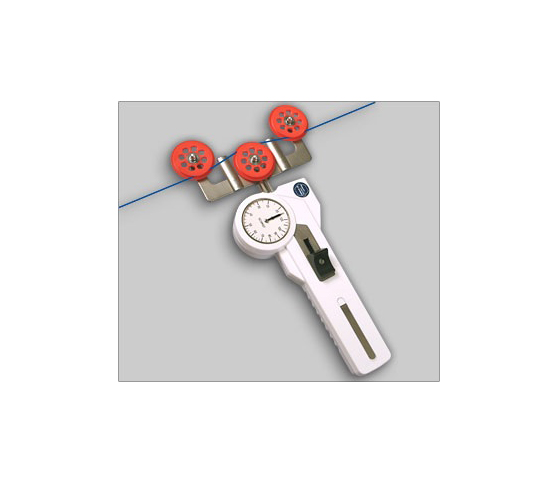
Tension ranges from 20 - 120 cN to 50 - 1000 cN Mechanical tension meter with large guide rollers (32 mm groove diameter) and large center distance to minimize bending of materials Hand-held unit for sensitive material as optical fibres, carbon fibres, technical fibres etc. Tension meter with special guides on the bracket assembly for easy thread
Buy Now
image description

Tension Meter DTXB

SCHMIDT

view
x

Industrial Control: The Tension Meter DTXB Precision Guide

Incorrect material tension causes costly product defects, frequent thread breakages, and winding errors during high-speed manufacturing. Guessing wire or fiber tautness manually leads to uneven spooling and unexpected process downtime. The Tension Meter resolves this production bottleneck by delivering real-time digital tension values for dynamic processing lines.

This guide explores how integrating a DTXB tension meter elevates quality assurance across processing facilities.

What Is the Tension Meter DTXB?

The Tension Meter DTXB is a high-precision digital measuring instrument designed for monitoring dynamic line tension.

Featuring a three-roller guide assembly, this electronic meter measures tension on moving or stationary filaments. Machine operators use this versatile device across textile, wire drawing, and fiber optic production lines to maintain optimal process limits effortlessly.

Key Operational Advantages

Upgrading to a DTXB tension meter provides clear technical benefits for quality control teams:

  • High-Speed Digital Sampling: Captures rapid tension fluctuations accurately to prevent sudden strand snapping.

  • Ergonomic Handheld Design: Allows operators to perform quick spot-checks along active production lines easily.

  • Grooved Guide Rollers: Smooth ball-bearing rollers guide delicate filaments without causing surface abrasion or snagging.

  • Clear LCD Screen: Displays live tension values, peak readings, and battery status simultaneously for fast evaluation.

Common Workshop Applications

Process engineers and technicians rely on the DTXB tension meter for vital daily checks:

  1. Wire Drawing Operations: Monitor fine metal wire tension during high-speed spooling and twisting processes.

  2. Textile Thread Processing: Verify yarn and thread tautness on industrial knitting and weaving machinery.

  3. Fiber Optic Cable Production: Ensure delicate glass fibers maintain safe tension limits during jacket extrusion.

  4. Coil Winding Quality Control: Audit copper wire tension during transformer and electric motor coil winding.

How to Measure Tension in 4 Simple Steps

Follow these basic steps to perform accurate tension checks:

  1. Select Filament Profile: Turn on the meter and select your preset material calibration profile.

  2. Engage the Rollers: Slide the outer guide rollers onto your moving process line strand smoothly.

  3. Align Center Roller: Release the catch lever to press the central sensing roller against the material.

  4. Record the Reading: Observe the live digital display value and log peak tension measurements.

Final Thoughts

The Tension Meter turns delicate tension checks into fast, repeatable monitoring routines. By maintaining exact material tension, this reliable instrument protects product quality and reduces costly manufacturing downtime.
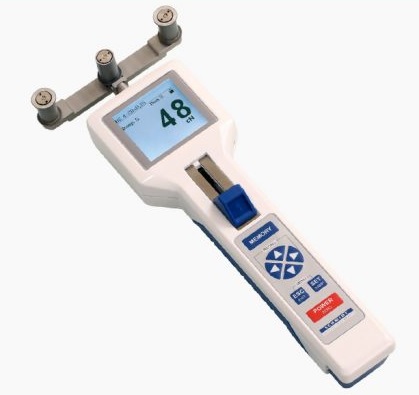
Tension Meter DTXB 10 Tension ranges available: from 5.0 - 500 cN up to 2.5 - 50 daN Application: Ribbons, filaments, carbon strands, foils and similar flat materials Field of use Max. width of material 41 mm Feature:
  • Cylindrical tape rollers
  • Professional unit with additional functions
  • 5 Memory modes with statistics
  • Large internal memory
  • USB interface , Wi-Fi (optional)
Buy Now
image description

ZD2 Tension Meter

SCHMIDT

view
x
6 Tension ranges from 3 - 30 cN to 20 - 300 cN Economical mechanical tension meter for checking fibres, threads and fine wires with low tensions up to max. 300 cN Universal measuring unit with large guide rollers groove Ø 12.5 mm Tension Meter for a variety of applications in the textile and wire industrie
Buy Now
image description

ZED Tension Meter

SCHMIDT

view
x
2 tension ranges from 1 - 200 cN up to 1 - 500 cN Cost-efficient electronic tension meter for measuring low tensions of fibres, threads and fine wires. Tension meter with large guide rollers This universal tension meter, can also be used at wire EDM machines
Buy Now
image description

ZEF Tension Meter

SCHMIDT

view
x

Fine Wire Control: The Technician’s ZEF Tension Meter Guide

Maintaining exact material tension during fine wire drawing and synthetic fiber processing presents continuous shop floor challenges. Unnoticed tension shifts cause sudden thread snapping, uneven spooling, and costly line stoppage. The ZEF Tension Meter resolves this production bottleneck by delivering accurate digital tension readings for low-tension processing lines.

This guide explores how integrating a ZEF electronic tension meter elevates quality control across processing facilities.

What Is the ZEF Tension Meter?

The ZEF Tension Meter is an advanced, compact electronic measuring instrument designed by Hans Schmidt for low-tension applications.

Featuring a three-roller sensing assembly and a clear digital screen, this handheld meter monitors dynamic or static filament tension. Machine operators use this specialized gauge across textile, copper winding, and optic fiber lines to enforce strict process limits effortlessly.

Key Operational Advantages

Upgrading to a ZEF digital tension meter provides clear technical benefits for quality control teams:

  • Low Tension Sensitivity: Accurately measures delicate tension forces from 0.5 cN up to 100 cN without stretching thin materials.

  • Miniature Ball-Bearing Rollers: Smooth V-grooved rollers guide delicate filaments cleanly without causing surface friction or fraying.

  • Compact Ergonomic Design: Fits easily into cramped machinery spaces for fast spot-checks along active processing lines.

  • Instant Digital Readout: Converts strain gauge deflections into clear numerical values, eliminating analog gauge pointer parallax errors.

Common Workshop Applications

Process engineers and quality control technicians rely on the ZEF tension meter for vital daily checks:

  1. Fine Wire Coil Winding: Monitor copper wire tension during precision transformer and micro-solenoid coil winding.

  2. Textile Filament Processing: Verify yarn and synthetic fiber tautness on high-speed weaving and knitting machinery.

  3. Optic Fiber Production: Ensure delicate glass fibers maintain safe tension levels during high-speed drawing.

  4. Carbon Fiber Processing: Audit carbon tow tension during composite material weaving and prepreg manufacturing.

How to Measure Tension in 4 Simple Steps

Follow these basic steps to perform accurate tension checks:

  1. Zero the Display: Power on the meter and press the zero button to establish baseline accuracy.

  2. Engage Guide Rollers: Press the roller thumb lever to position moving filaments between the three guide rollers smoothly.

  3. Release Thumb Lever: Allow the central sensing roller to engage the material evenly.

  4. Record the Reading: Observe the live digital display value and log peak tension measurements for quality reporting.

Final Thoughts

The ZEF Tension Meter turns delicate low-tension checks into fast, repeatable monitoring routines. By maintaining exact material tension, this reliable instrument protects product quality and reduces costly manufacturing downtime.
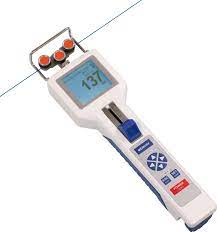
3 tension ranges from 0.5 - 50 cN to 1 - 200 cN Cost-efficient electronic tension meter for measuring low tensions of fibres, threads and fine wires Hand-held device with slim filament guide and small guide rollers for limited access space Handy, light weight tension meter
Buy Now
image description

ZF2 Tension Meter

SCHMIDT

view
x

Fine Wire Control: The Technician’s ZF2 Tension Meter Guide

Uneven tension during fine wire drawing and textile processing leads to frequent thread snapping and costly production delays. Relying on manual feel allows tension shifts to pass unnoticed, creating inconsistent spooling and poor product finish. The ZF2 Tension Meter resolves this manufacturing bottleneck by providing precise mechanical tension readings for low-tension processing lines.

This guide explores how integrating a ZF2 tension meter elevates quality control across production facilities.

What Is the ZF2 Tension Meter?

The ZF2 Tension Meter is a compact, lightweight mechanical measuring instrument designed by Hans Schmidt for low-tension applications.

Featuring a classic three-roller setup and an easy-to-read analog dial, this handheld meter monitors tension on delicate moving or stationary filaments. Machine operators use this specialized gauge across textile, coil winding, and optic fiber manufacturing lines to maintain strict process limits effortlessly.

Key Operational Advantages

Upgrading to a ZF2 tension meter provides clear technical benefits for quality assurance teams:

  • Low Tension Range: Accurately measures delicate tension forces from 1 cN up to 100 cN without stretching thin materials.

  • Compact Handheld Design: Fits easily into tight machine spaces for fast spot-checks along active production lines.

  • Miniature Ball-Bearing Rollers: Smooth V-grooved rollers guide delicate fibers cleanly without causing surface friction or fraying.

  • Mechanical Reliability: Operates continuously without battery power, delivering instant, dependable readings in harsh shop environments.

Common Workshop Applications

Process technicians and quality control inspectors rely on the ZF2 tension meter for vital daily checks:

  1. Fine Wire Coil Winding: Monitor copper wire tension during precision transformer and micro-solenoid coil winding.

  2. Textile Filament Processing: Verify yarn and synthetic fiber tautness on high-speed weaving and knitting machinery.

  3. Optic Fiber Production: Ensure delicate glass fibers maintain safe tension levels during high-speed drawing.

  4. Carbon Fiber Processing: Audit carbon tow tension during composite material weaving and prepreg manufacturing.

How to Measure Tension in 4 Simple Steps

Follow these basic steps to execute accurate tension checks:

  1. Check Zero Position: Hold the meter vertically and verify that the pointer aligns with the zero mark.

  2. Engage Guide Rollers: Press the roller shifting trigger to open the outer guide rollers.

  3. Capture Process Line: Place the moving wire or thread between the rollers and release the trigger gently.

  4. Record the Reading: Read the pointer position on the clear dial scale and log your measurement.

Final Thoughts

The ZF2 Tension Meter turns delicate low-tension checks into fast, repeatable monitoring routines. By preventing material breakage and spooling defects, this dependable metrology tool protects product quality and reduces costly machine downtime.

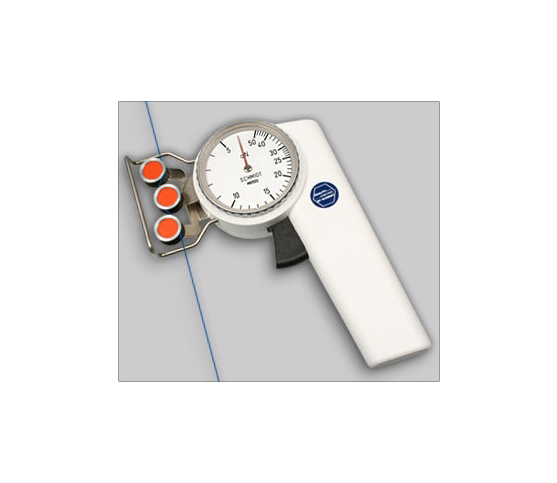
7 Tension ranges from 1 - 5 cN to 10 - 100 cN Economical mechanical tension meter for checking fibres, threads and fine wires with low tensions up to max. 100 cN Most popular tension meter in the textile industry with analog display for low tensions Slim filament guide with small guide rollers for limited access space
Buy Now